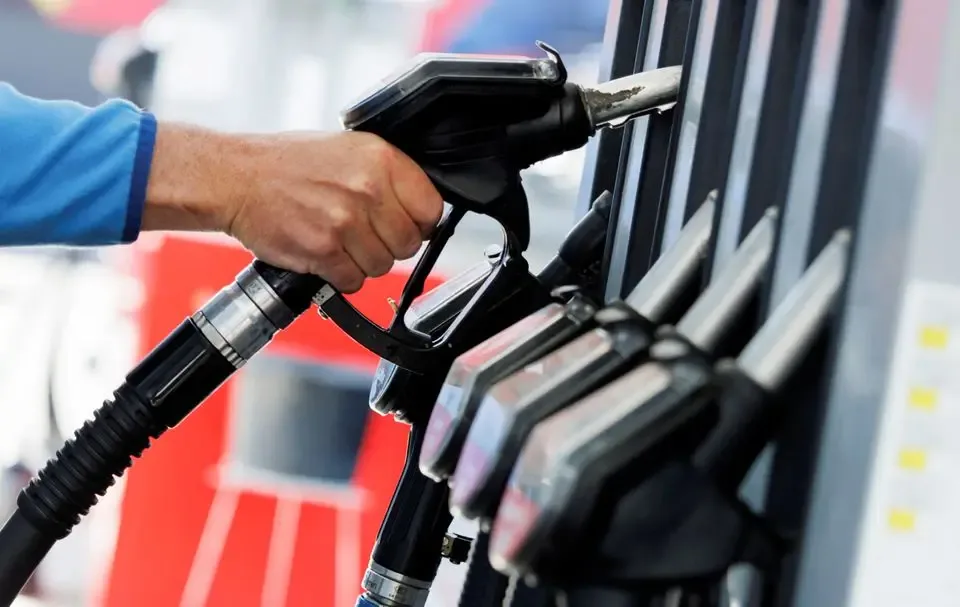
Nicosia, Cyprus. Consumer fuel prices increased by the largest amount seen in the last three years during business hours on Thursday, consumers’ association chairman Marios Drousiotis said, as the impact of the conflict in the Middle East was felt at the pump.
Pump prices rise during business hours
Drousiotis told the Cyprus Mail that average prices at the pump had increased by 2.3 cents per litre for petrol, 3.5 cents per litre for diesel, and 3.55 cents per litre for fuel oil since businesses opened on Thursday morning.
Average prices across the island were €1.521 per litre for petrol, €1.763 per litre for diesel, and €1.232 per litre for fuel oil.
Increases since start of the month
Drousiotis said that since the start of the month, when the conflict in the Middle East broke out, prices had increased by 20.3 cents per litre for petrol, 35 cents per litre for diesel, and 28 cents per litre for fuel oil.
Government measures on fuel taxes
The comments followed President Nikos Christodoulides’ announcement that the fuel consumption tax will be reduced by 8.33 cents per litre between April and June and that “green taxes” on fuel, which had been set to raise the retail price of fuel by nine cents per litre, will not be implemented.
Price changes and measures in the north
Fuel price rises also affected the north, where prices are set centrally by a commission comprised of representatives of the ruling coalition and of the two large petrol station chains, Cyprus Turkish Petroleum (K-Pet) and Alpet.
The coalition announced late on Wednesday night that prices would rise from Thursday morning, setting 95 octane petrol at 61.12TL (€1.19) per litre, 98 octane petrol at 62.12TL (€1.21) per litre, diesel at 60TL (€1.17) per litre, and kerosene at 71.43TL (€1.39) per litre, an across-the-board rise of 4TL (seven cents) on all fuel types.
‘Energy minister’ Olgun Amcaoglu had last week announced the zeroing of value added tax on fuel in the north, and on Thursday announced that other mandatory duties related to the import of fuel had also been zeroed.
Fuel tankers docking in the north will no longer be subject to docking fees and no customs duty will be paid on the fuel they import, while fuel retailers’ contributions to the north’s agricultural insurance fund have also been zeroed.
How have the latest fuel price changes affected your daily expenses?