Larnaca, Cyprus. Cyprus on Monday showcased its role in Europe’s satellite-enabled search-and-rescue network during a live demonstration exercise held at the Joint Rescue Coordination Centre in Larnaca as part of the European conference EU Space Days.
Exercise at JRCC headquarters
Representatives from the deputy research ministry, the Space Office, the European Commission’s space directorate-general (DG Defis) and the EU space agency programme (EUSPA) attended the event at JRCC headquarters.
Participants observed a search-and-rescue exercise coordinated by the JRCC involving air, sea and special operations assets from Cyprus’ security forces, including an AB412 helicopter from the police aviation unit, an AW139 helicopter from the national guard’s 460 search and rescue squadron, the navy’s fast patrol boat Ammochostos and an underwater demolition team (Oyk).
Satellite system role
According to JRCC commander George Economou, the exercise was designed to demonstrate “under real conditions the process of alerting search and rescue services through emergency beacons” and to highlight the role of satellite technology in emergency response.
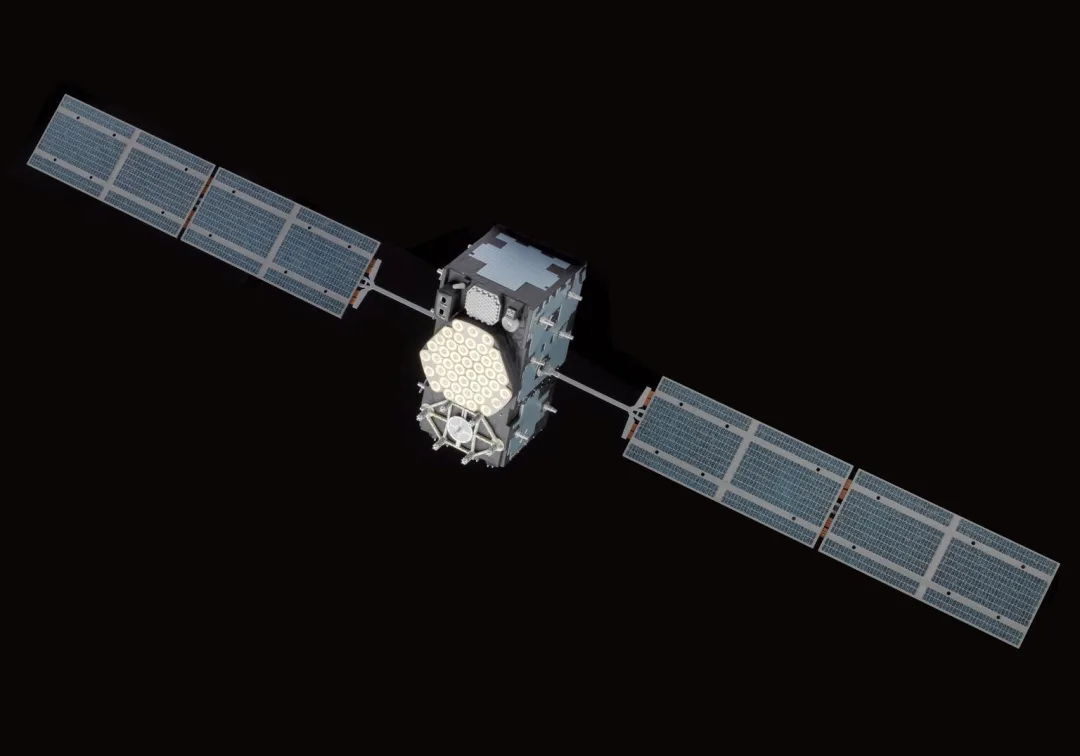
Particular emphasis was placed on Galileo, the European Union’s satellite navigation system, and its contribution to search-and-rescue operations.
JRCC Larnaca hosts Cyprus’ mission control centre, one of 33 operational mission control centres worldwide within the international Cospas-Sarsat satellite system.
Cospas-Sarsat network
The Cospas-Sarsat network is an international satellite-based system that detects and locates emergency distress beacons activated by aircraft, ships or individuals in danger, and relays alerts to rescue coordination centres.
Galileo is fully embedded in that system through its satellite constellation and supporting ground infrastructure.
One of the four European Medium Earth Orbit Local User Terminals (MEOLUTs) is installed near Kakopetria.
The MEOLUT receives distress beacon signals via satellite and helps pinpoint their location, enabling faster rescue responses.