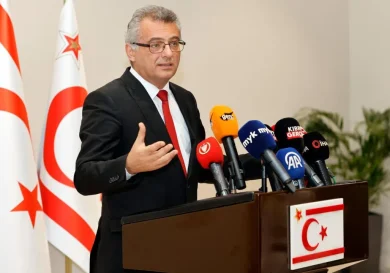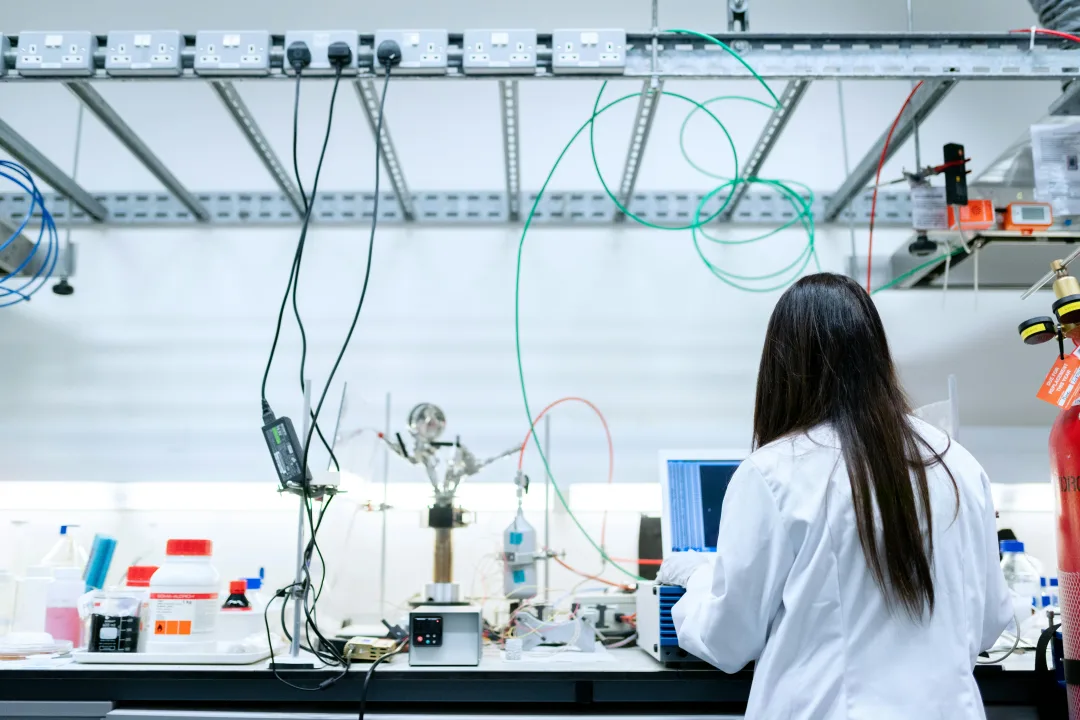
Nicosia, Cyprus. Cyprus has reaffirmed its commitment to gender equality in science, technology and innovation, describing it as a cornerstone of socio-economic development. The message was delivered by the country’s Permanent Representative to the United Nations, Maria Michael, at an international assembly earlier this week.
Address at international assembly
Speaking at the 11th Assembly of the Royal Academy of Science International Trust, Michael said that “the promotion of women and girls in education and science is essential for the protection of human rights”. She described gender equality as “not a regional concern but a structural prerequisite for sustainable development”.
National strategy and policy approach
Michael said the commitment is reflected in the National Gender Equality Strategy 2024-2026, which adopts “a holistic approach to mainstreaming gender in all state policies”. The aim, she said, is “to go beyond rhetoric and shape actions that deliver fair and measurable impact for both women and men”.
Inclusive systems and funding measures
According to Michael, the strategy seeks to ensure that “public policy, education systems and the innovation framework are inclusive, equitable and future-oriented”. She also cited funding as a key factor, noting that Cyprus has established “special scholarship programs for women over 30, aiming at their retraining and integration into the fields of innovation and technology”.
Support for UN position and declaration
Michael said these policies are intended to invest “in a workforce capable of contributing to ethical and socially responsible scientific solutions”, adding that “inclusive science yields better outcomes for society as a whole”. Referring to the UN secretary-general’s position that “more women and girls in science means better science”, she reaffirmed Cyprus’ readiness “to support the implementation of the assembly’s outcome declaration”.
Conclusion
Michael concluded by stressing Cyprus’ determination “to build a future in which every girl can dream boldly and contribute fully as a scientist, innovator and leader”.
What steps do you think are most important to increase the participation of women and girls in science and technology?