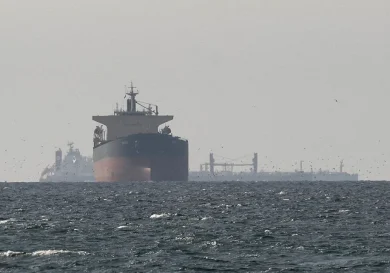
Nicosia, Cyprus. Cyprus’ Deputy Ministry of Shipping urged operators of Cyprus-flagged vessels to avoid high-risk ports and transactions as tensions involving the United States, Israel and Iran raise maritime security concerns in key corridors including the Strait of Hormuz.
Shipping ministry guidance
The ministry said over the weekend that owners and operators of Cyprus-flagged vessels should avoid calls and commercial transactions in ports or countries where political instability, armed conflict or civil unrest prevail, or where such risks appear imminent.
In a circular signed by Acting Permanent Secretary Theodoulos Mesimeris, the ministry called on owners, managers, directors and masters operating in or transiting through affected areas to maintain heightened vigilance and close communication with port authorities, the flag state and local agents, in line with the ISPS Code.
It also advised ships to step up onboard security measures as appropriate to safeguard both vessel and crew.
Given the ongoing military escalation in the wider region, the ministry recommended that Cyprus-flagged vessels implement precautions equivalent to ISPS security level 3, in accordance with their approved ship security plans.
Keve warns of supply chain and price impacts
The possible closure of the Strait of Hormuz is expected to disrupt supply chains and commercial activity, with knock-on effects on prices, the secretary general of the Cyprus Chamber of Commerce and Industry (Keve), Philokypros Rousounides, said on Monday.
Speaking to the Cyprus News Agency (CNA), Rousounides said such a development would create disruptions in the supply chain and in the country’s commercial activity, citing delays, rising transport costs and sharply higher insurance premiums due to the war.
“It will be an additional cost and challenge for the supply chain,” he said, adding that timely delivery of goods and the increase in overall costs would be the main concerns.
He said price pressures were also being fuelled by developments in the oil market, noting that crude prices had risen by 10 per cent on the day.
Market estimates, he said, were pointing to levels above 100 to 120 dollars per barrel, which he said would have corresponding negative effects on the wider economy.
How do you expect heightened maritime security measures to affect shipping costs and delivery times?