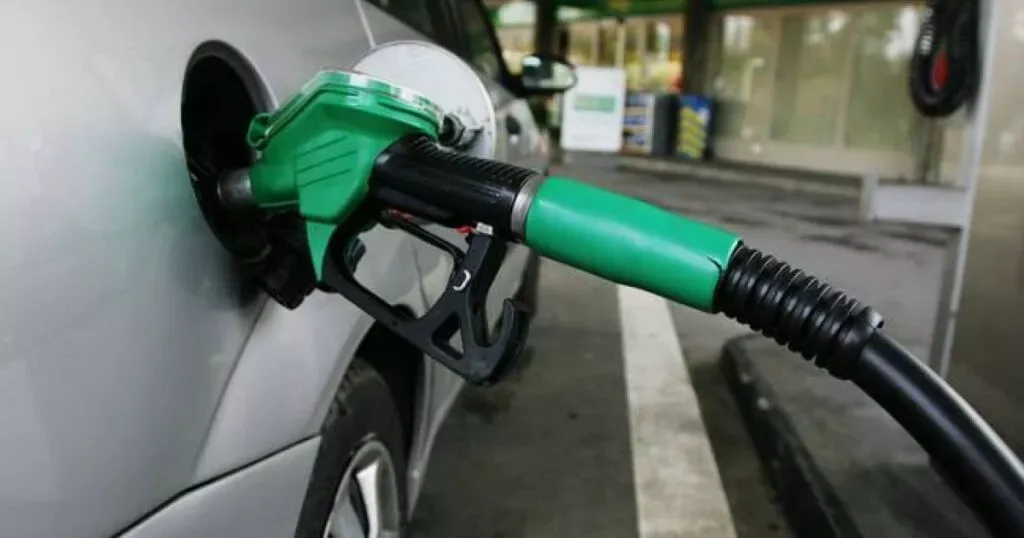
Nicosia, Cyprus. Cyprus has not decided whether to introduce fuel price caps or tax reductions as oil prices surge amid unrest in the Middle East, but the issue remains under consideration.
Global oil shock and government responses
Unrest in the Middle East has triggered a global energy crisis, with oil prices soaring and at one point surpassing $100 per barrel. Several governments have implemented fuel price caps to mitigate the impact on their economies and citizens.
Cyprus monitoring prices, no decision yet
To date, Cyprus has yet to make a decision regarding price caps on fuel or other measures, such as reducing taxes. According to information received by Phileleftheros, the situation is being closely monitored and decisions will be made if necessary to contain fuel price increases.
Recent data shows that the average price of gasoline in Cyprus has reached €1.378 per litre, while diesel is priced at €1.508 per litre, marking a rise of around two cents compared to prices before the Middle East flare-up.
Industry warning on possible further increases
Savvas Prokopiou, President of the Cyprus Fuel Station Owners Association, said consumers should expect further price hikes in the coming period, particularly if the conflict does not de-escalate soon.
Price caps and limits in other countries
Several countries, including Greece, Croatia, Hungary, South Korea, and Thailand, have introduced some form of price caps or profit margin limits on fuel prices.
In Greece, where a cap on profit margins has been set, gasoline prices have exceeded €1.85 per litre, while diesel costs over €1.82 per litre. In Croatia, fuel prices have been capped at €1.50 per litre for gasoline and €1.55 per litre for diesel, while Hungary has set caps at €1.51 per litre for gasoline and €1.56 for diesel. South Korea has imposed a price cap, with gasoline priced at around €1.28 per litre and diesel at €1.30 per litre.
Germany’s once-per-day fuel pricing rule
In Germany, the government has introduced a policy allowing fuel stations to increase prices only once per day, aiming to prevent profiteering amid rapid price hikes following the Iran conflict. Finance Minister Katharina Reiche said: “It has been observed that fuel prices rise extremely quickly when oil costs go up, but when costs decrease, prices drop much more slowly.”
Cyprus precedent and past tax intervention
Cyprus has imposed a fuel price cap once, in 2010, under the presidency of Demetris Christofias and Commerce Minister Antonis Paschalides. The decision led to backlash from stakeholders, with many fuel stations either lacking enough stock or operating inefficiently, causing long queues and inconvenience for consumers.
The government has intervened on several occasions to curb significant price hikes through other measures. The most recent intervention came in March 2022, following Russia’s invasion of Ukraine, when the government, with the approval of the House of Representatives, amended the Excise Tax Law to reduce taxes on gasoline and heating oil. The reductions amounted to about 8.3 cents per litre for motor fuels and 6.4 cents for heating oil.
Possible measures and potential challenges
Similar measures could be taken in 2026 if fuel prices continue to rise. Implementing price caps in Cyprus could affect imports and retail sales due to the country’s unique circumstances, potentially creating other logistical challenges.
What measures do you think Cyprus should prioritise if fuel prices continue to rise?