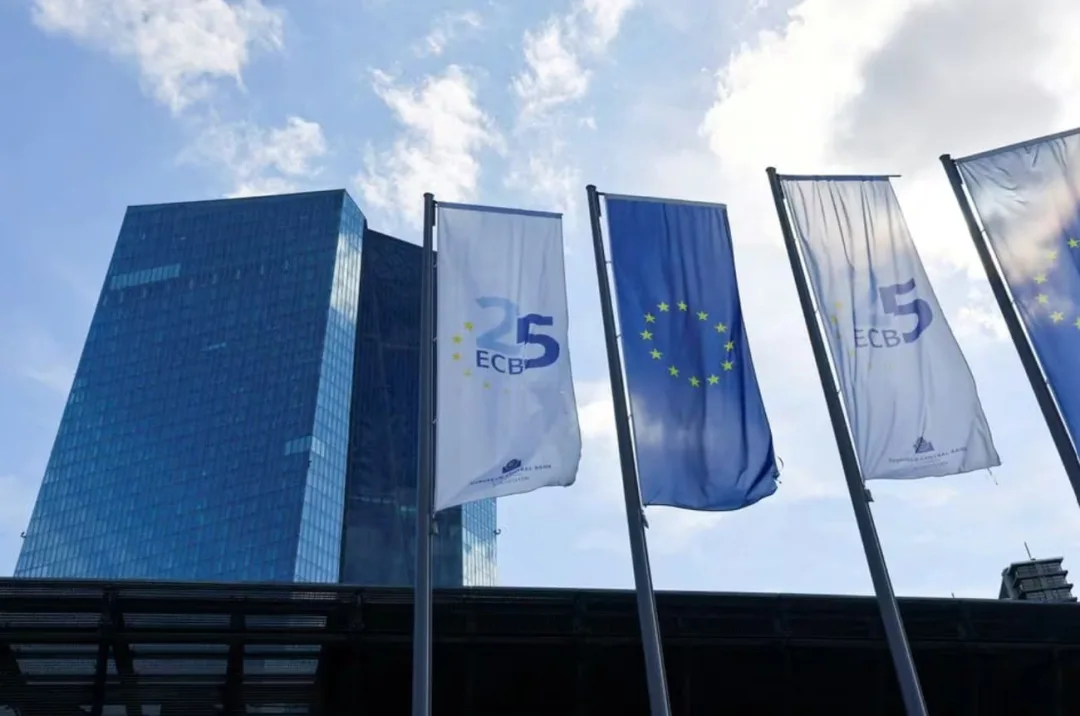
Brussels, Belgium. The European Central Bank Governing Council decided on Thursday to maintain its three key interest rates, citing rising uncertainty stemming from the conflict in the Middle East. It reiterated its commitment to ensuring inflation stabilises at its 2 per cent target in the medium term.
Policy stance and risk assessment
The Governing Council said the ongoing war has significantly clouded the economic outlook, creating upside risks for inflation and downside pressures on growth. It noted that while higher energy prices are expected to affect near-term prices, the medium-term effects will depend on the duration of the conflict and how costs spread through the wider economy.
Data-dependent approach
The ECB said it is well-positioned to manage current volatility, citing inflation close to target and well-anchored expectations. Policymakers said they will closely monitor incoming data to assess how the conflict influences inflationary pressures and associated risks, and confirmed that monetary policy will remain data-dependent.
Updated projections
Updated staff projections, incorporating data up to March 11, 2026, forecast headline inflation at 2.6 per cent in 2026, easing to 2.0 per cent in 2027 and 2.1 per cent in 2028. The ECB said the projections were revised upward compared with December estimates, mainly due to higher energy costs linked to the war.
Core inflation is projected at 2.3 per cent in 2026, followed by 2.2 per cent in 2027 and 2.1 per cent in 2028, also reflecting upward adjustments.
How do you think the ECB’s data-dependent approach will affect expectations for future rate decisions?