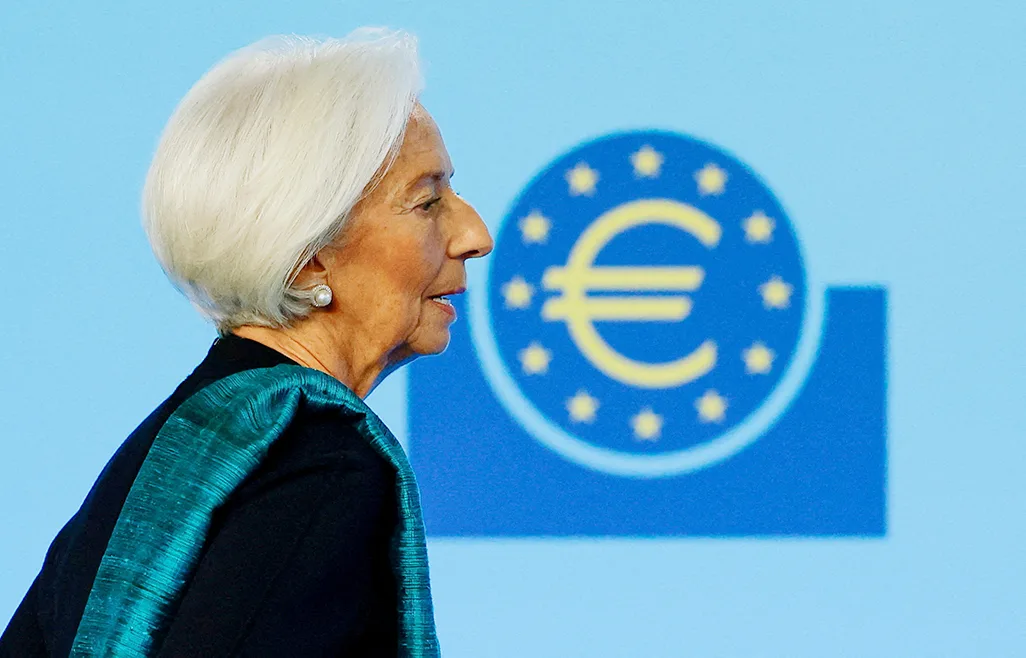
Brussels, Belgium. The European Central Bank left interest rates unchanged on Thursday, as expected, while signalling increased concern about rising inflation and indicating it could raise rates several times this year starting in June.
Inflation risks rise amid higher energy prices
Inflation rose to 3% this month, above the ECB’s 2% target, and is expected to increase further after the Iran war pushed oil prices to a four-year high. The bank said this could increase the risk that energy-driven price pressures spread more broadly through second-round effects.
“The upside risks to inflation and the downside risks to growth have intensified,” the ECB said. “The longer the war continues and the longer energy prices remain high, the stronger is the likely impact on broader inflation and the economy.”
Markets price in multiple moves, starting in June
Financial markets are now pricing in rate hikes in June and July, followed by at least one more increase in the autumn, based on expectations that the ECB will act to prevent an inflation spiral. The bank noted that it was criticised for moving late in 2022.
“Longer-term inflation expectations remain well anchored, although inflation expectations over shorter horizons have moved up significantly,” the ECB said. “The Governing Council is not pre-committing to a particular rate path.”
Rate cycle expected to be milder than 2022
The ECB’s next tightening cycle is expected to be more limited than in 2022, when it raised its key rate by a combined 450 basis points over a year.
Price pressures are described as weaker, second-round effects are not yet visible, the labour market is softer, rates are already higher, and growth is close to stalling. The euro zone economy barely grew in the first quarter, before the war had a meaningful impact.
Core inflation eases as growth remains fragile
Core inflation slowed to 2.2% in April from 2.3%, suggesting second-round effects are not taking hold in a meaningful way.
The bank is expected to raise rates to signal to price and wage setters that it will not accept a sustained overshoot of its target, while moving cautiously to avoid pushing the bloc into recession.
How do you think the ECB should balance inflation risks against the risk of recession?