Nicosia, Cyprus. Workers cutting engineered stone in Cyprus have increasingly been taking sick leave for skin disease and respiratory problems, while data remains insufficient to link inhalation of fine dust to cancer cases in the country.
Rising concern over engineered stone processing
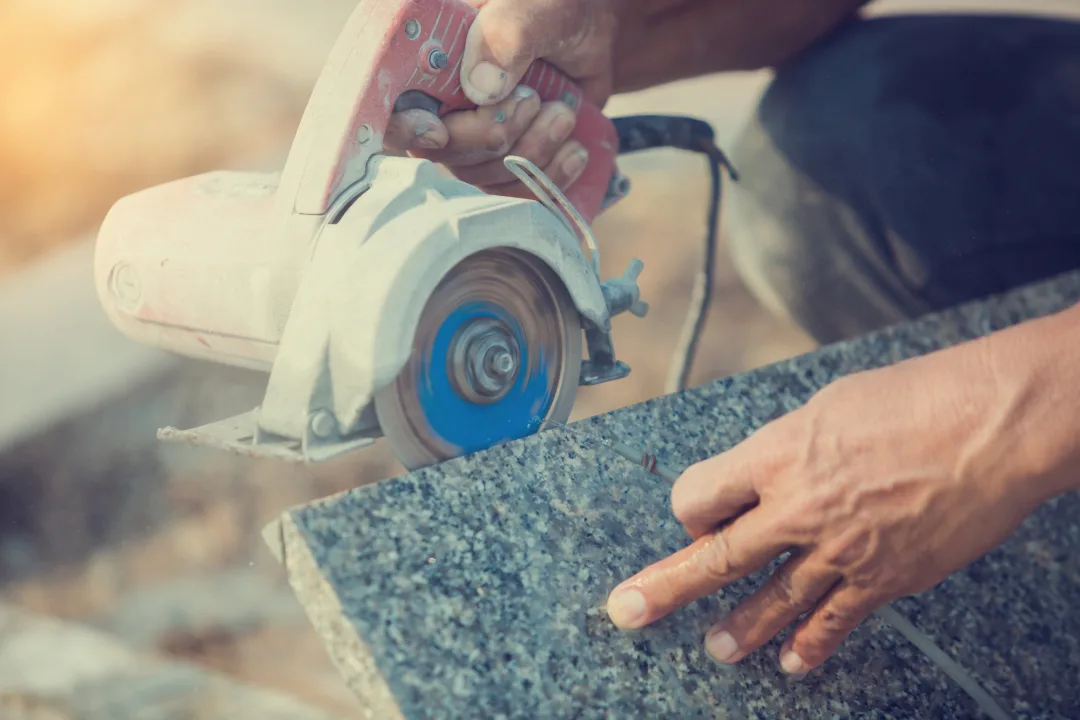
Quartz, or engineered stone, worktops have grown in popularity over the past decade as a hard and durable option for kitchen countertops at a lower cost than marble or granite. They are also easy to clean and are available in a wide variety of colours and patterns because the material is made by mixing crushed stone with resins.
Before the slabs are installed in kitchens, they must be ground, polished and custom cut to fit. In some countries, this process has been banned because the fine dust produced during processing is considered responsible for a rising number of silicosis cases.
International cases and bans
According to a recent Sky News report titled “Killer Kitchens,” the United Kingdom has recorded more than 50 confirmed cases and four deaths from silicosis. In California, where 31 silicosis deaths have been recorded, authorities are promoting a ban on engineered stone, which could make it the first US state to outlaw its use. Australia has already imposed a ban.
Health effects of silicosis
Silicosis is an occupational lung disease caused by inhaling respirable crystalline silica dust. It is a form of pneumoconiosis, the same category of illness associated with the Amiantos asbestos mine, which operated from 1904 to 1988.
The disease causes chronic lung inflammation and fibrosis and can range from moderate to acute depending on the intensity and duration of exposure. People with silicosis mainly experience shortness of breath, coughing and fatigue, while severe cases can also involve cyanosis.
Silicosis can also lead to other illnesses, including tuberculosis, bronchitis, emphysema, nephritis, lung cancer and autoimmune diseases.
Prevention measures in Cyprus workplaces
Trade unions SEK and PEO said workplace prevention measures include the use of special protective masks, cutting slabs with water to reduce dust, and ensuring good ventilation and extraction systems.