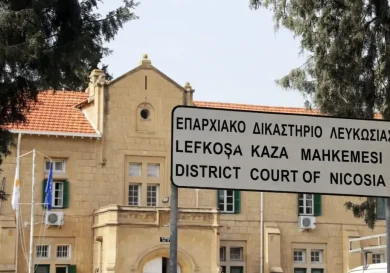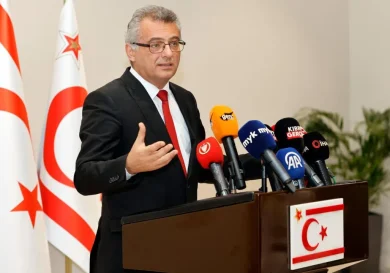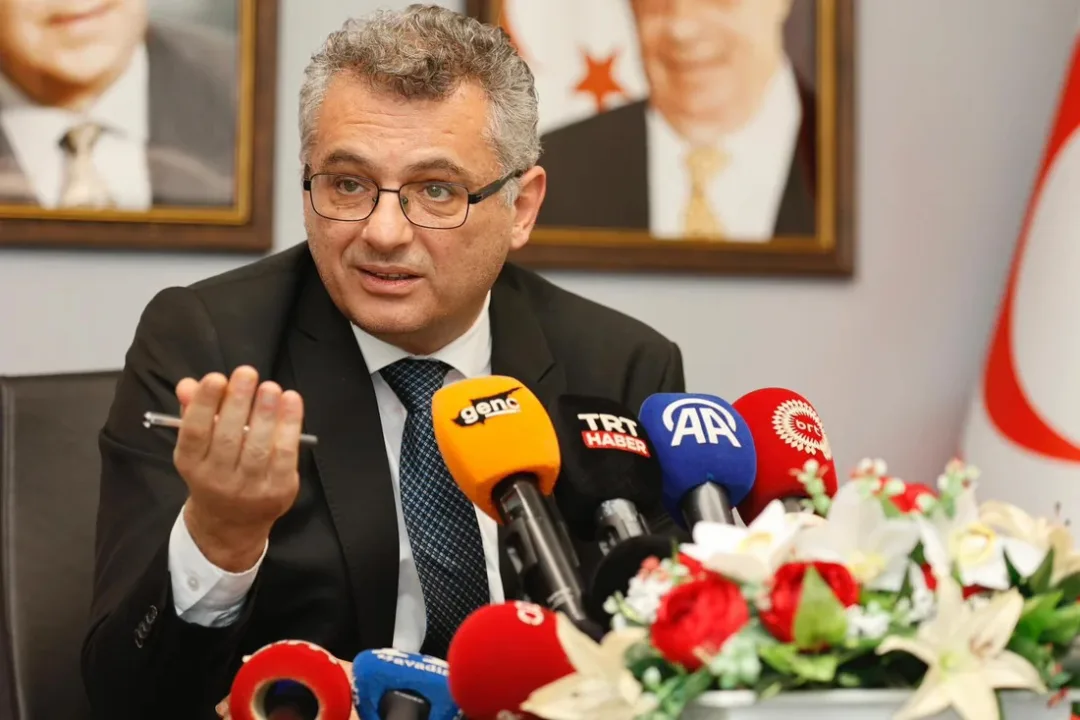
Nicosia, Cyprus. Turkish Cypriot leader Tufan Erhurman on Tuesday referred to the north’s judiciary a controversial law passed last month to enable Turk Telekom to bring fibreoptic internet to the north. The referral follows concerns the contract was agreed without a tender and may conflict with the ‘TRNC’s’ constitution.
Referral and constitutional concerns
Erhurman referred the law to the judiciary amid claims the ruling coalition agreed the contract with Turk Telekom without first holding a tender, raising concerns it may run contrary to the ‘TRNC’s’ constitution.
Costs and contract terms
The law has drawn controversy over costs and terms. The deal was initially estimated to cost Turkish Cypriot taxpayers €26m, but the figure rose to €110m in the final version.
Under the agreement, Turk Telekom is granted exclusive rights to provide home broadband internet in the north until 2051. The company is also exempted from tax on its profits, while the Turkish Cypriot treasury is set to receive payments equivalent to five per cent of Turk Telekom’s profits in Cyprus.
Regulation, infrastructure limits, and additional costs
The exclusive rights come as internet provision in the north is already tightly regulated, with the use of satellite-based internet providers such as Elon Musk’s Starlink a crime punishable by up to six months in prison.
Further controversy has centred on Turk Telekom’s stated intention to lay fibreoptic cables in existing tunnels, which critics say could limit the expansion of internet-based infrastructure.
The €110m included in the contract does not cover the cost of switchboards and cooling systems, among other secondary infrastructure required for fibreoptic cable operations.
Protests and political opposition
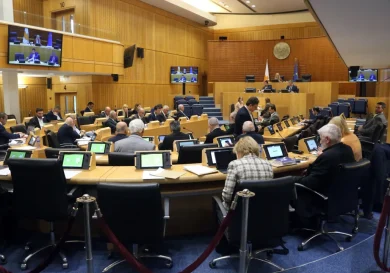
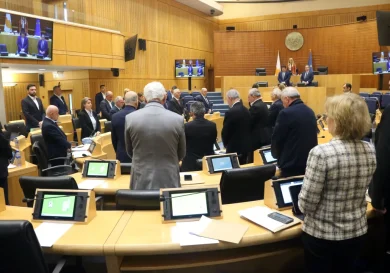
On the day the bill passed, protesters led by telecommunications workers’ union Tel-Sen gathered outside the north’s ‘parliament’ building. Opposition was also voiced inside the legislature, including by opposition party CTP leader Sila Usar Incirli, who said “a single investor” will “make this infrastructure”, “do business”, and “provide telecommunication services”.
“Dear fellow members, what is the name of this? This is called a monopoly,” she said.
What do you think the judiciary’s review will mean for the fibreoptic deal and broadband competition in the north?