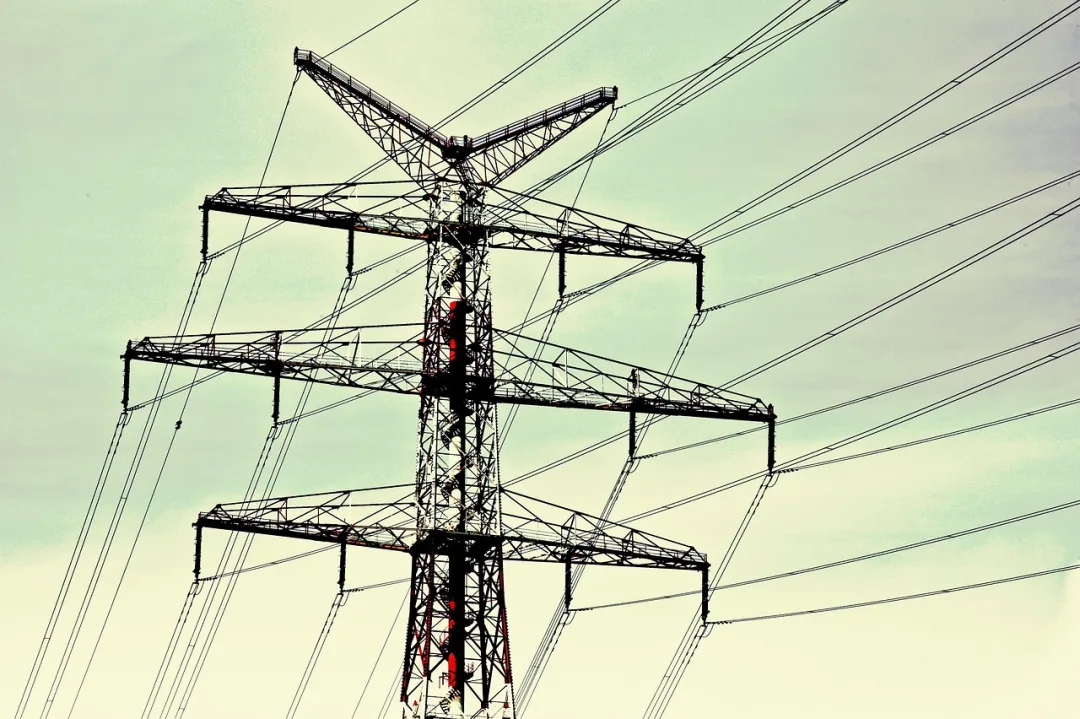
Nicosia, Cyprus. The head of the scientific and technical chamber (Etek), Constantinos Constanti, said immediate relief measures can still be taken to cushion an expected rise in energy costs, while warning that cheaper electricity in the long term will require major public investment.
Immediate relief and investment costs
In a written statement, Constanti said the measures cited by the auditor-general as potential routes to lower-cost electricity would depend on extensive state spending, with the burden ultimately falling on consumers and taxpayers.
Regulation in the competitive electricity market
Constanti repeated Etek’s call for regulation in the competitive electricity market so that part of the financial benefit from commercial photovoltaic parks and private commercial storage is passed on to consumers through a lower kilowatt-hour price.
He said this was necessary because such projects operate at lower costs than conventional generation, while the public is still expected to shoulder the cost of wider infrastructure investment.
Carbon dioxide costs in wholesale pricing
Constanti said Cyprus should immediately examine a mechanism to adjust the cost of carbon dioxide in the wholesale electricity market, adding that it accounts for 19 per cent of the average household electricity bill in Cyprus, compared with a European average of 11 per cent.
Energy efficiency and system constraints
He said the current situation offered an opportunity to return to the principle of energy efficiency first, arguing that in an isolated electricity system such as Cyprus’, with sharp seasonal swings in demand, excessive emphasis on renewable energy production may be politically attractive but comes with structural limitations.
He added that shifting from individual grants to tax incentives would be a more stable and effective approach, supporting long-term planning and reducing distortions.
Support for vulnerable consumers
Constanti called on the state to show greater care for vulnerable consumers, saying support should go beyond existing practices and involve a more active role by authorities in cooperation with relevant social services.
He said intervention should not depend solely on whether vulnerable households can submit applications, co-finance projects, or navigate procedures on their own.
In this context, he called for the registration, assessment and prioritisation of vulnerable households facing energy poverty, followed by action through a central mechanism to replace old energy-intensive refrigerators and portable heating devices, or introduce other immediate, low-cost energy efficiency measures, with proper attention paid to safety.
What measures do you think would most effectively reduce household electricity costs in Cyprus?