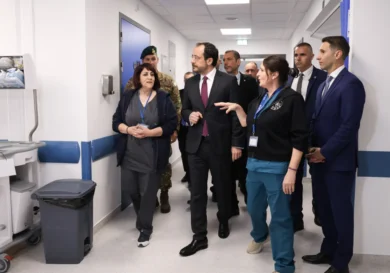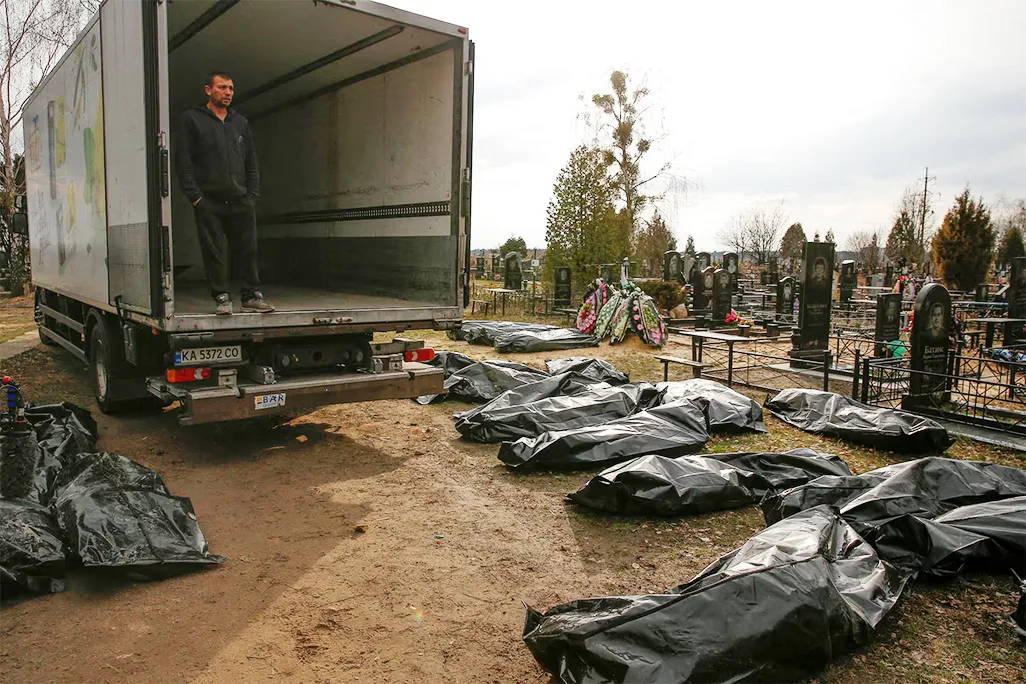
Kyiv, Ukraine. The European Union’s top diplomat Kaja Kallas and several EU foreign ministers arrived in Kyiv on Tuesday to mark the fourth anniversary of the Bucha massacre and to voice support for Ukraine amid tensions within the bloc over EU aid.
Arrival in Kyiv and visit to Bucha
Ukrainian Foreign Minister Andrii Sybiha greeted Kallas and other foreign ministers at Kyiv’s central railway station early on Tuesday, saying the European presence demonstrated that justice for Russian atrocities was inevitable.
Kallas, along with around a dozen EU foreign ministers and other senior European officials, visited the town of Bucha, where Ukrainian officials and rights groups say Russian troops killed more than 400 people.
“Bucha has come to symbolise the cruelty of Russia’s war,” Kallas said on X, posting pictures from the town. “The EU is committed to ensuring that these crimes do not go unpunished… Russia must be held accountable for what it has done to Ukraine.”
EU officials and foreign ministers placed candles at the memorial to the victims of the massacre and visited a church hosting a photo and video exhibition.
Competing claims and casualty figures
Moscow denied its troops committed atrocities in Bucha and has accused Ukraine of staging the incident.
The United Nations has verified 15,364 civilians killed since Russia’s invasion of Ukraine, though it said the actual number was likely to be higher.
EU support and internal divisions
“Each visit is a powerful reminder of Ukraine’s courage and resilience,” Kallas, the European Union High Representative for Foreign Affairs and Security Policy, said in a post on X.
“Europe stands by your side. We will keep providing military, financial, energy, and humanitarian support.”
Europe is the main backer for Ukraine as it fights a bigger and better-equipped Russian army along more than 1,200 kilometres of the frontline.
However, a 90-billion-euro EU loan for Ukraine has been blocked by Hungarian Prime Minister Viktor Orban due to a dispute over Russian oil transit via Ukraine’s Druzhba oil pipeline. Hungary is also blocking progress on talks about Ukraine’s accession to the EU.
What impact could Hungary’s stance have on future EU financial support and accession talks for Ukraine?