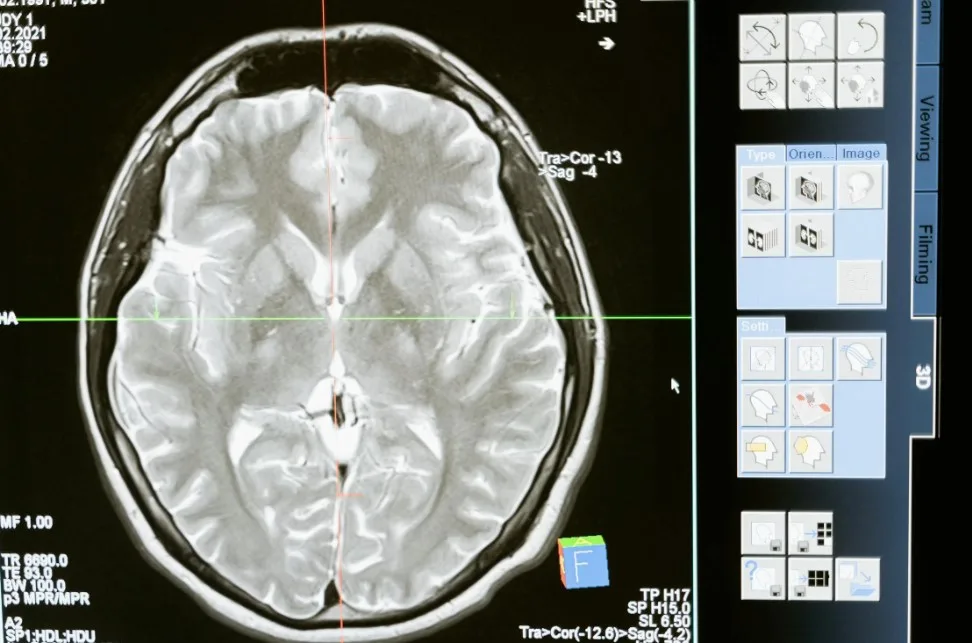
Barcelona, Spain. EU-funded researchers are investigating whether nanotechnology could one day provide a safer, less invasive alternative to medication and surgical treatments for serious brain disorders.
Current treatment limitations
For decades, treating serious brain disorders has often involved invasive surgery and implanted electrodes that remain in the body for life, offering symptom relief but requiring difficult trade-offs.
“Having wires in your body isn’t ideal,” said neuroscientist Mavi Sanchez-Vives, head of the Systems Neuroscience group at the IDIBAPS research institute in Barcelona, Spain. “Yet for many patients, it has been the only option.”
META-BRAIN research initiative
Sanchez-Vives is leading a three-year EU-funded research initiative called META-BRAIN that runs until December 2026. The team is exploring new ways to interact with the brain by combining nanotechnology, ultrasound and advanced brain monitoring.
The META-BRAIN team includes scientists and clinicians from leading research institutions across Europe, including Austria, Cyprus, Italy, Spain and Switzerland, and is developing wireless, minimally invasive methods to restore brain activity.
Scope of neurological disorders in Europe
Neurological disorders are described as one of the greatest health challenges and the leading cause of illness and disability worldwide. In Europe, 165 million people suffer the effects of brain disorders, including Parkinson’s disease, stroke, epilepsy, depression, anxiety and traumatic brain injury.
“These disorders are based on neural pathologies and are often associated with alterations in brain rhythms and activity patterns,” Sanchez-Vives said.
Focus on less invasive approaches
According to Sanchez-Vives, available treatments remain limited, with drug therapies not working for all patients and sometimes causing significant side effects.
Surgical approaches such as deep brain stimulation require electrodes implanted deep inside the brain to block or regulate faulty signals. “Some patients live with these implants for decades,” Sanchez-Vives said. “But they come with risks and complications. We need better options.”
The META-BRAIN team is exploring minimally invasive ways to control neural activity remotely and precisely, aiming to interact with neurons without permanent implants or open brain surgery.
What developments would you like to see most in minimally invasive treatments for brain disorders?