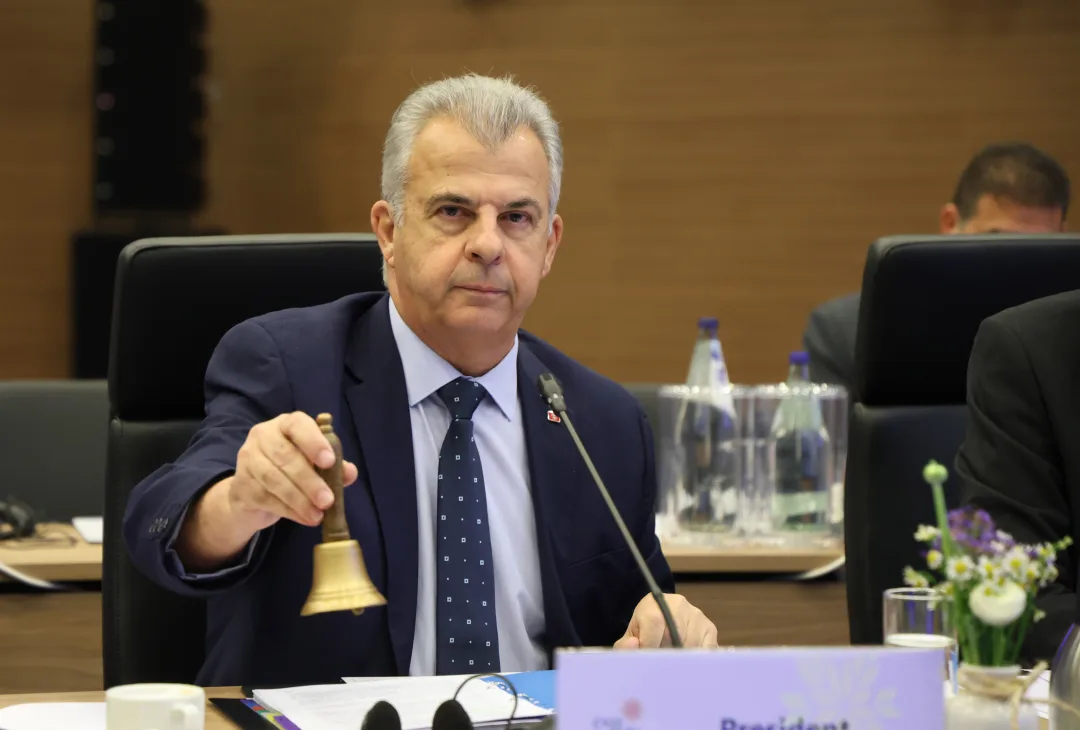
Nicosia, Cyprus. Cyprus Justice Minister Costas Fitiris said closer coordination of forces across the EU is essential to combating organised crime. He spoke after a two-day informal meeting of EU justice ministers in Nicosia.
Call for faster coordination and information sharing
Fitiris said organised crime was the common thread linking issues discussed at the meeting, including asset recovery, cultural heritage protection and the treatment of young drug users.
“To get one step ahead of organised crime, to confront it, we need to join forces, respond quickly and utilise all the information that any state agency may have,” he said.
He added that there should be an exchange of information to combat organised crime in all member states.
European-level approach and broader involvement
Fitiris said modern challenges in justice require European-level solutions and coordinated action, involving not only police and judicial authorities but also economic and regulatory bodies.
“Together we can build a system that can be one step ahead of organised crime,” he said, adding that “this is the goal and this is what we will do”.
Estimated scale of organised crime and cultural goods trafficking
Fitiris said organised criminal activity generates an estimated €188 billion annually across the EU, driven primarily by drug trafficking, arms trafficking and extortion by criminal networks.
He added that the illegal trade in cultural goods amounts to around €5 billion, fuelled by theft of antiquities to countries with more favourable legal frameworks.
Focus on asset recovery
On asset recovery, Fitiris said ministers agreed that depriving criminal organisations of illegally obtained wealth is central to dismantling their operations.
“As long as illegal assets remain in the hands of criminal organisations, they are the main driving force behind the consolidation and expansion of their activities,” he said.
How do you think EU member states can improve the exchange of information to combat organised crime?