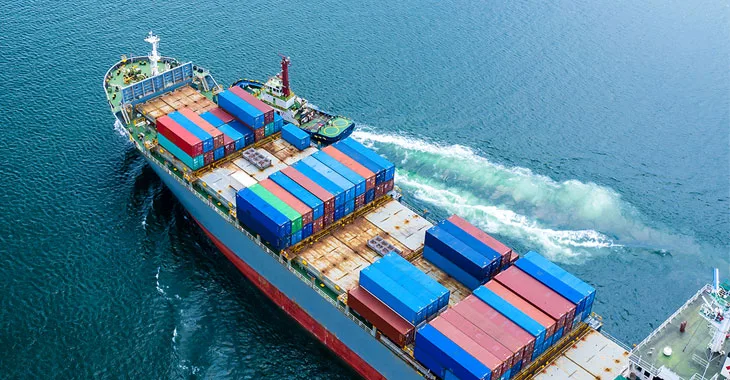
Nicosia, Cyprus. EU maritime ministers signed the Nicosia Declaration on Wednesday, setting out a joint framework on seafarer training, working conditions and gender equality in the shipping sector.
Framework and priorities
The declaration was endorsed at the informal EU council responsible for maritime transport and is structured around seven axes. It places emphasis on strengthening maritime education and improving the attractiveness of seafaring careers.
Education, outreach and cooperation
The text calls for coordinated outreach across education systems and closer cooperation between public authorities, maritime academies and industry bodies.
Seafarers’ rights and working conditions
The declaration highlights the need for improved protection of seafarers’ rights and working conditions, particularly amid what it describes as digital transformation and geopolitical risks affecting maritime operations. It stresses the importance of maintaining fair labour standards and supporting career continuity, including transitions to shore-based roles.
Modernising training and strengthening safety
The text sets out commitments to modernise maritime training in line with emerging technologies, including automation, digital systems and alternative fuels. It calls for greater focus on cybersecurity and data protection, alongside improved information-sharing mechanisms to strengthen operational safety.
International standards and certification
It supports further harmonisation of international training standards under the STCW convention, with an emphasis on adapting certification and education systems to reflect evolving industry requirements. The declaration promotes expanded use of simulation-based training, electronic certification systems and closer industry cooperation to improve practical training opportunities.
Gender equality
A central element of the declaration addresses gender imbalance in the sector.
What measures do you think would most effectively improve seafaring careers and working conditions?