Brussels, Belgium. A European state intelligence report seen by Reuters warns that Russia risks an “explosive” banking crisis as lenders absorb much of the burden of the war economy. The assessment comes as the European Union prepares a 21st package of sanctions that it hopes to finalise in July, targeting banks and cryptocurrency networks.
Report outlines banking vulnerabilities
The two-page document was prepared in recent weeks to inform European officials about the condition of Russia’s banking sector and its vulnerability to further Western restrictions.
While Russian banks have mostly withstood sanctions imposed since Moscow’s full-scale invasion of Ukraine in 2022, the June report says deteriorating loans and rising household indebtedness have created an “explosive” risk.
War economy increases pressure on lenders
With the cost of the four-year war with Ukraine draining state finances, Russia has increasingly relied on banks to support companies and borrowers, according to the report. It says this has left banks carrying greater risks as the economy weakens.
Russia’s Economy Ministry cut its gross domestic product growth forecast to 0.4 per cent in 2026 from 1.3 per cent previously, and to 1.4 per cent in 2027 from 2.8 per cent.
Subsidised lending cited as key concern
The intelligence report, titled “Note on the probability of a banking crisis in Russia in 2026”, says banks have been pushed to provide subsidised loans to defence companies, homebuyers and others.
It says state-backed credit programmes, loan restructurings and government support have masked the banks’ vulnerability.
“The situation creates the illusion of a dynamic economy that, in reality, conceals an explosive situation which an economic shock, such as an ambitious package of sanctions against banks … could trigger,” the report said.
Loan quality deteriorates
The authors said lending to defence firms, regional state-backed projects and homeowners has increased the volume of loans that may never be repaid.
The report estimates that 10 per cent of corporate loans are doubtful, a sharp increase from 2024, while some major banks reported retail non-performing loan ratios as high as 15 per cent in 2025.
Central bank declines comment
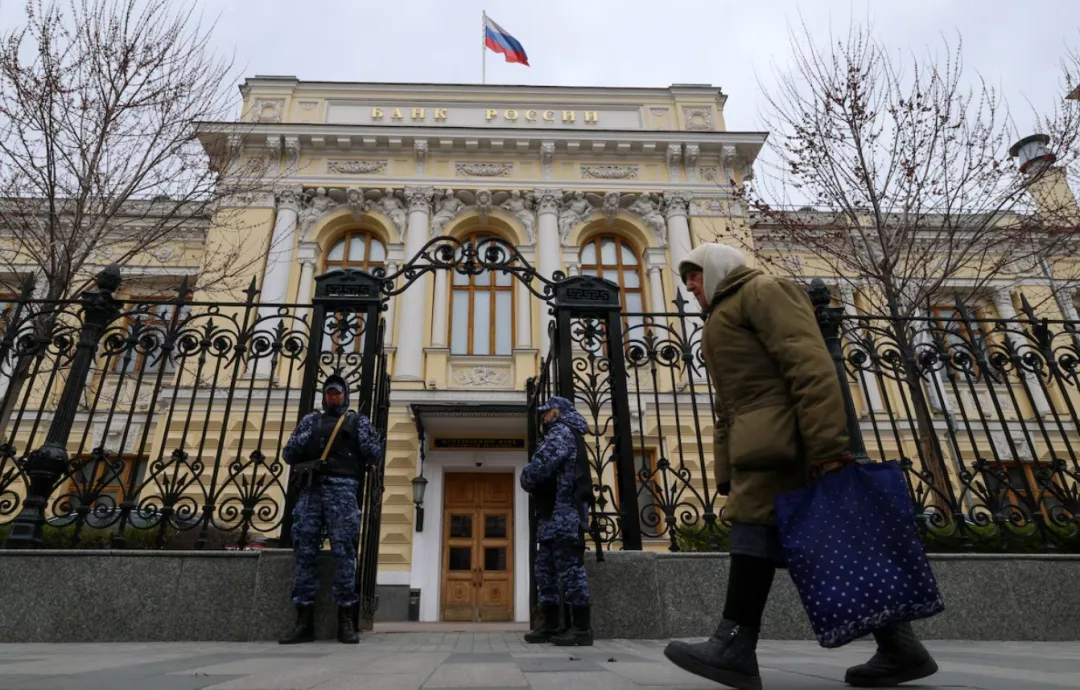
The Russian central bank declined to comment on the assessment, although it has recently downplayed the risks of a major banking crisis.