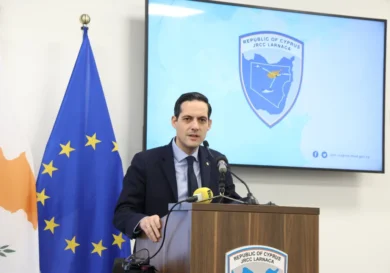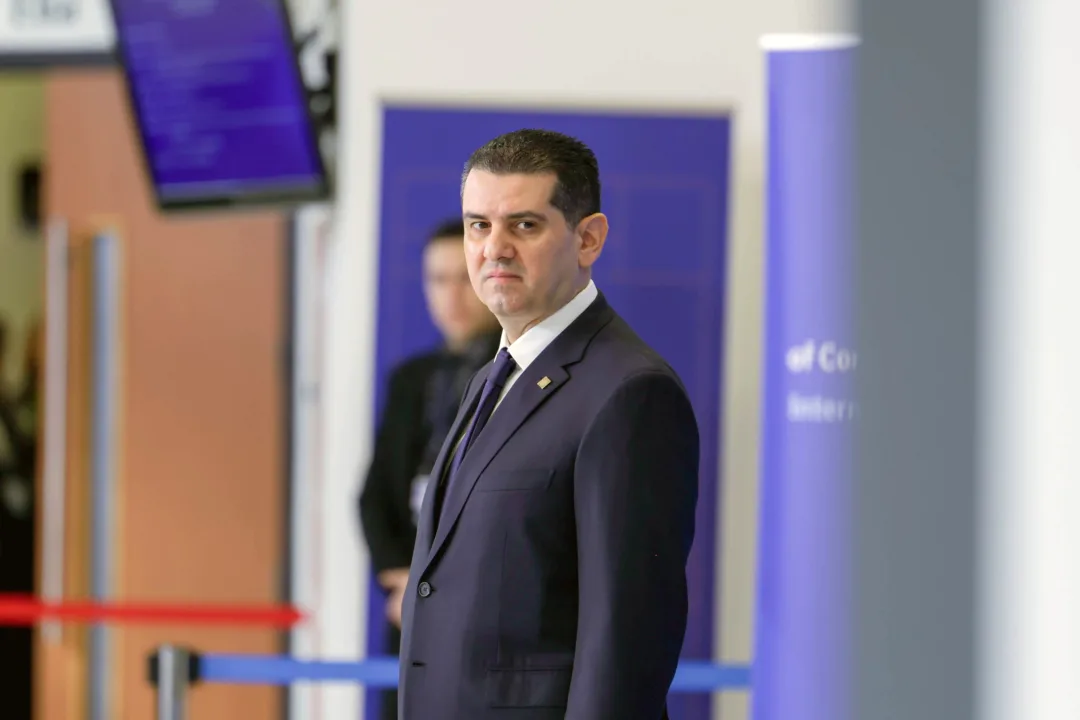
Brussels, Belgium. Commerce Minister Michael Damianos on Monday welcomed the European Union’s imminent signing of a new interim trade agreement with Mexico and plans for a broader strategic partnership, calling them an “important milestone.”
Damianos cites trade diversification and market access
Damianos said the agreements would deepen cooperation with a trusted partner and support the EU’s effort to diversify global trade relationships. He said they would create new opportunities for European businesses and economic operators to access a dynamic market, while safeguarding high standards and protecting the EU’s key interests.
He added that amid growing uncertainties and protectionist pressures, the agreements would reinforce a shared commitment to sustainable development and an open, rules-based trading system.
EU Council outlines tariff cuts and protections
The Council of the EU said the interim trade agreement would benefit more than 45,000 EU companies exporting to Mexico. It said the deal would eliminate high tariffs on key EU exports to Mexico, including agrifood products, and improve export conditions for machinery, pharmaceuticals and transport equipment.
The Council said the agreement would protect hundreds of European geographical indications, safeguarding distinctive regional food and drink products on the Mexican market.
Rules on raw materials, digital trade and sustainable development
According to the Council, the agreement will enhance cooperation between the EU and Mexico on critical raw materials and include new rules on customs and trade facilitation, intellectual property protection, public procurement, digital trade and competition.
It said the deal includes provisions to ensure a level playing field between EU and Mexican companies and contains a robust chapter on trade and sustainable development, with binding commitments on labour rights, environmental protection and climate action.
Strategic partnership agreement also planned
In addition to the interim trade agreement, the EU and Mexico agreed to sign a political, economic and cooperation strategic partnership agreement. The Council said it would establish a modern, comprehensive and legally binding framework for relations between the two.
How do you expect the EU-Mexico agreements to affect European exporters and consumers?