Paphos, Cyprus. European Commissioner for Fisheries and Oceans Costas Kadis on Friday unveiled the European Union’s first strategy dedicated to coastal communities, describing it as a landmark initiative to strengthen prosperity, resilience and liveability in regions home to almost 95 million Europeans.
Single framework for coastal policy
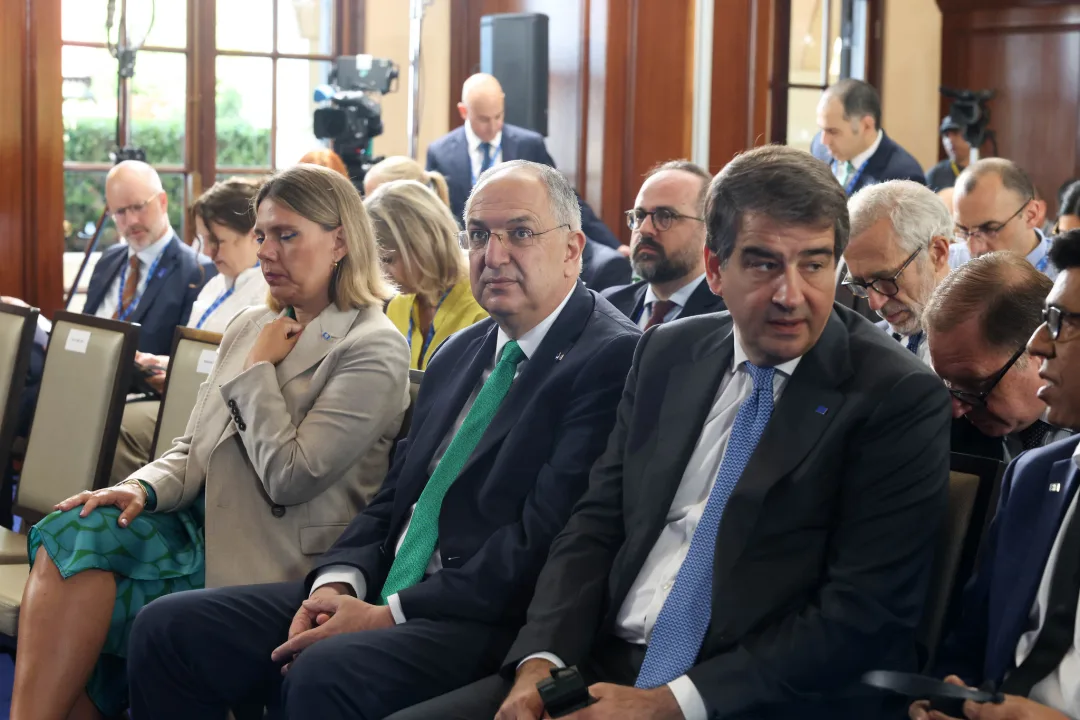
Speaking at a high-level conference on islands and coastal communities in Paphos, Kadis said the strategy marked a major shift in European policymaking by bringing together, for the first time, existing and future EU policies affecting coastal regions under a single framework.
He said it combined current and planned European Commission actions addressing both the challenges and opportunities facing Europe’s coastal areas.
Built on earlier commitments
The strategy follows a commitment made by European Commission President Ursula von der Leyen and builds on the European Ocean Pact adopted in June 2025, which identified support for coastal and island communities as one of its six strategic priorities.
Kadis said the preparation of the strategy, like the new strategy for islands, was based on extensive consultation with governments, citizens, experts and stakeholders.
He said the process had made it possible to develop a strategy centred on the realities of coastal communities and the people living in them.
Economic role and challenges
According to Kadis, around 95 million people live in coastal regions across 22 EU member states, covering about 70,000 kilometres of coastline.
He said coastal communities play an important role in sectors including renewable energy, blue biotechnology, European security and defence, as well as fisheries, aquaculture, maritime transport and tourism.
Kadis said these sectors contribute around €265 billion annually to the European economy and support millions of jobs.
He also said coastal communities face increasing challenges related to climate change, environmental degradation, demographic pressures, limited access to services, housing shortages, unbalanced tourism development and overdependence on a small number of economic sectors.