Brussels, Belgium. European countries moved on Thursday to cushion the impact of rising oil and gas prices after Iranian strikes hit key Gulf energy facilities, including Qatar’s Ras Laffan Industrial City. The attacks followed tit-for-tat strikes during the U.S.-Israeli war on Iran.
Strikes on Gulf energy infrastructure
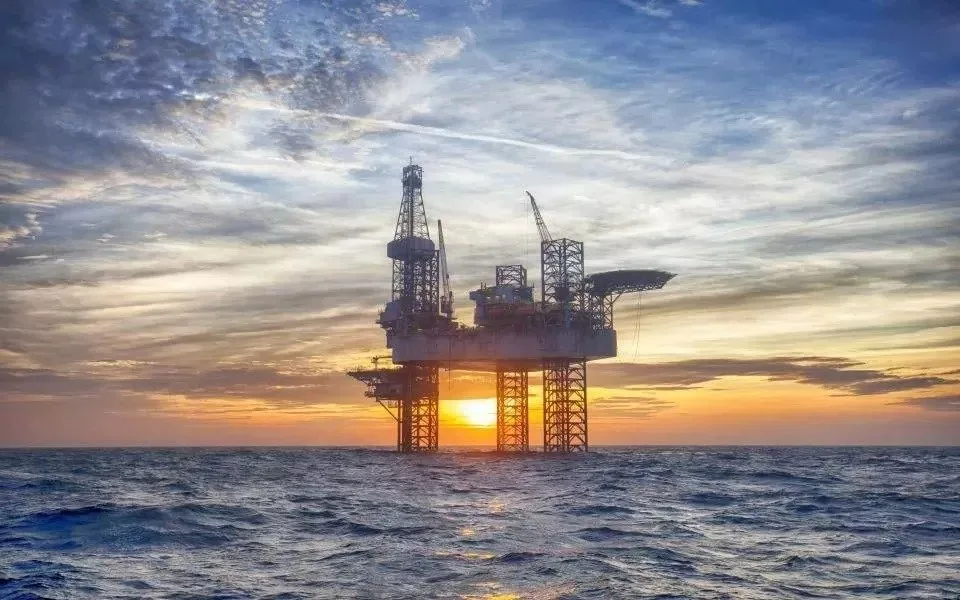
State oil giant QatarEnergy reported “extensive damage” after Iranian missiles hit Ras Laffan Industrial City, which processes about a fifth of the world’s liquefied natural gas, in response to Israel’s bombing of Iran’s major gas field. Saudi Arabia’s back-up oil port on the Red Sea was also attacked.
Iranian aerial attacks since Wednesday forced the UAE to shut its Habshan gas facility and set off fires at Kuwait’s Mina Al Ahmadi and Abdullah Port oil refineries.
Market reaction and pressure on policymakers
Brent futures were up about 7% to more than $114 a barrel by 1026 GMT, while European gas prices have risen by over 60% since the war began on February 28.
Japanese and South Korean stocks fell around 3%, and the pan-European .STOXX index was down 2%.
As higher energy prices stoked inflation fears, the likelihood of interest rate hikes increased ahead of Thursday’s European Central Bank and Bank of England meetings.
EU leaders seek options as costs rise
European Union leaders were set to discuss ways to offset the jump in energy costs at a summit in Brussels, with few easy options available.
Assessment of the escalation
The strikes were described as a demonstration of Iran’s ability to impose costs during the U.S.-Israeli campaign and of the limits of air defences in protecting strategic Gulf assets. They also suggested a lack of coordination of strategy and war aims between the two main aggressors almost three weeks into the war.
How do rising energy prices affect your household or business costs?