Brussels, Belgium. Several European governments are cutting fuel and energy taxes without waiting for a coordinated European Commission response, as surging oil prices squeeze households and businesses across the continent.
National measures amid high oil prices
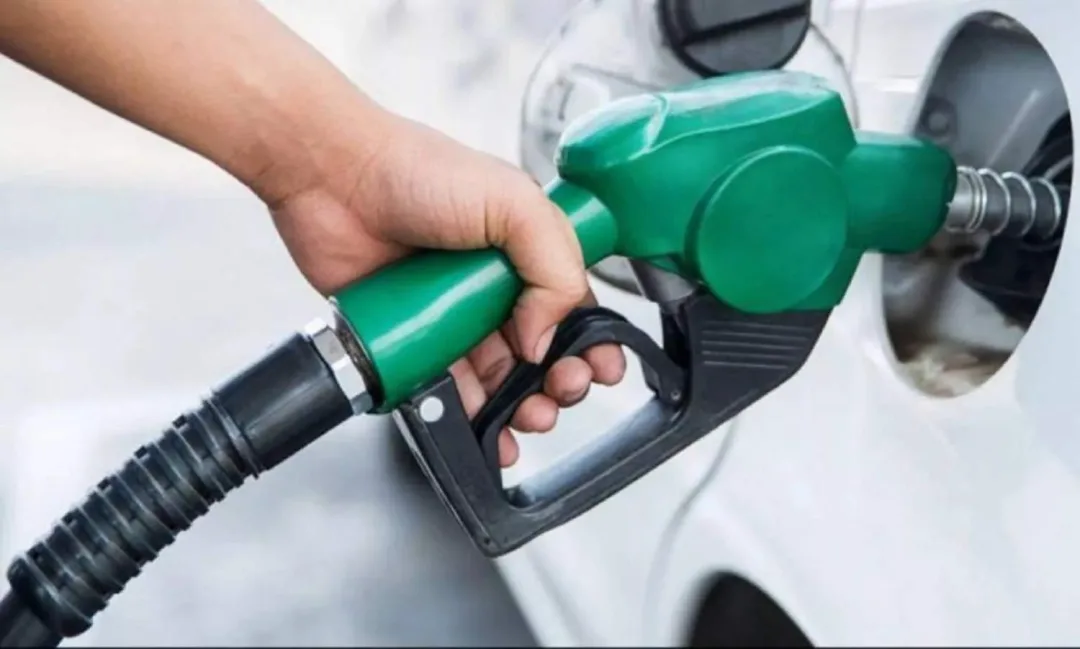
With Brent crude holding above $110 a barrel and the scope for EU-level flexibility still unclear, member states are activating national measures covering petrol, diesel, natural gas and electricity in an effort to contain inflationary pressure.
Austria
Austria has introduced a temporary cut of around five cents per litre on petrol and diesel, alongside a cap on profit margins for fuel companies and petrol stations. The combined effect of the measures is estimated to bring pump prices down by around ten cents per litre.
Italy
Italy has cut fuel tax on petrol by 25 cents per litre and on LPG by 19 cents, while stepping up market inspections to deter profiteering. Tax relief and subsidies have also been activated for professional drivers and haulage companies.
Portugal
Portugal has temporarily adjusted fuel taxation by reducing excise duties to offset part of the international price increase. It has also introduced an automatic adjustment mechanism under which the tax burden falls when international energy prices rise, with the aim of stabilising pump prices and containing inflation without excessive strain on public finances.
Spain
Spain announced a reduction in electricity sales tax from 21% to 10% and the removal of other energy sector levies, effective from today. Some 80 support measures have been approved for the most vulnerable households, including VAT cuts on natural gas and fuels. The package is expected to reduce pump prices by up to 30 cents per litre, while the total reduction in electricity taxes could reach as much as 60%.
Greece
Greece, by contrast, does not appear at this stage to be moving towards a unilateral fuel tax cut, unless a European decision allows such intervention without affecting fiscal targets. Other forms of support are under consideration, including a diesel subsidy, a fuel pass scheme and possible intervention on electricity bills if upward pressure continues.
Outlook
With more governments opting for direct tax intervention rather than waiting for a common EU solution, attention is focusing on whether these measures will prove sufficient to contain the cost of living and limit further waves of price increases across the economy.
Do you think national tax cuts will be enough to contain the cost of living as energy prices rise?