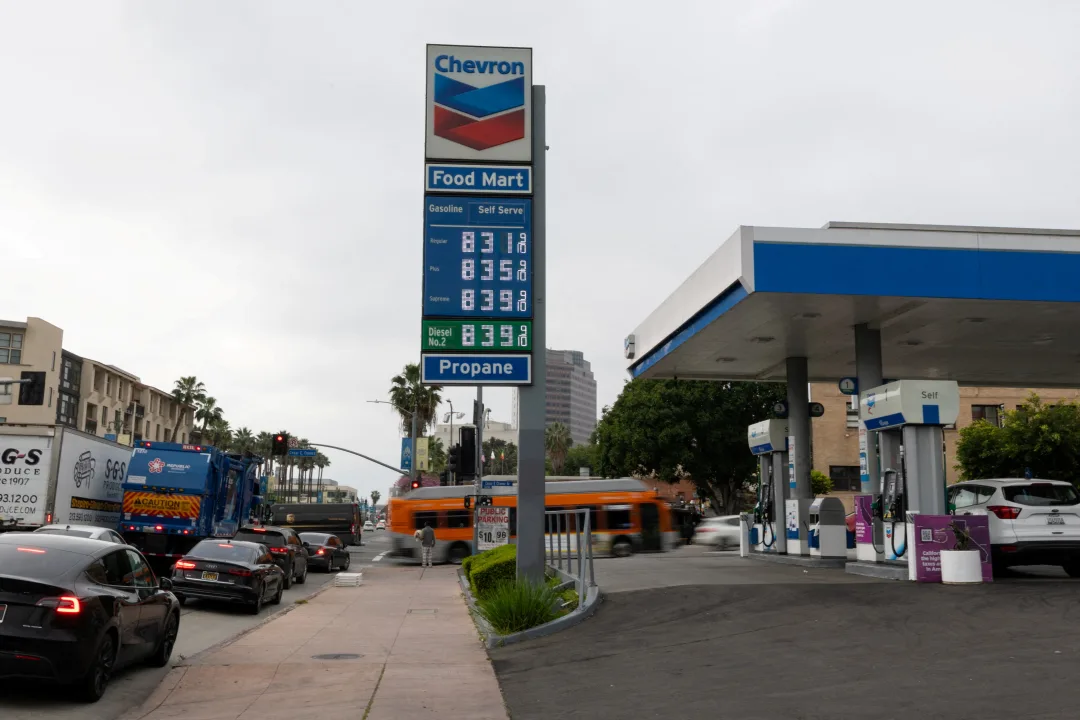
London, United Kingdom. Leading European nations, along with Japan, said they would act to stabilise energy markets and join “appropriate efforts” to ensure safe passage through the Gulf’s Strait of Hormuz after strikes on energy facilities escalated the U.S.-Israeli war on Iran.
Joint statement on energy security
The leaders of Britain, France, Germany, Italy, the Netherlands and Japan urged “an immediate comprehensive moratorium on attacks on civilian infrastructure, including oil and gas installations”.
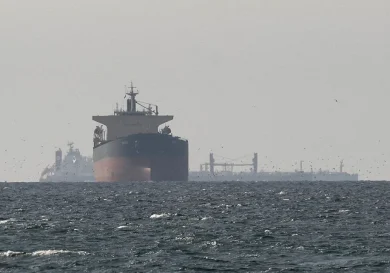
“We express our readiness to contribute to appropriate efforts to ensure safe passage through the Strait,” the statement said.
“We will take other steps to stabilise energy markets, including working with certain producing nations to increase output.”
Damage reported at Ras Laffan and regional disruptions
Major economies have been trying to cushion the impact of rising oil prices after state oil giant QatarEnergy reported “extensive damage” from Iranian missile strikes on the Ras Laffan Industrial City, following Israel’s bombing of Iran’s major gas field.
Ras Laffan processes about a fifth of the world’s liquefied natural gas. Saudi Arabia’s main port on the Red Sea, where it has diverted some exports to avoid Iran’s closure of the Strait of Hormuz, was also attacked.
War aims and air defence limits
The strikes highlighted Iran’s ability to impose costs on the U.S.-Israeli campaign and the limits of air defences in protecting key Gulf energy assets.
They also suggested a lack of coordination on strategy and war aims nearly three weeks into the war, though U.S. Defense Secretary Pete Hegseth said U.S. objectives were “unchanged, on target and on plan”.
Central banks cite inflation risks
The European Central Bank and Bank of England held interest rates steady, citing inflation risks. The ECB now projects 2026 inflation at 2.6% in a “baseline” scenario, above the 1.9% forecast in December. Investors who previously expected rate cuts were pricing in hikes by year-end.
How do you think sustained disruptions in Gulf energy supplies could affect household costs in your country?