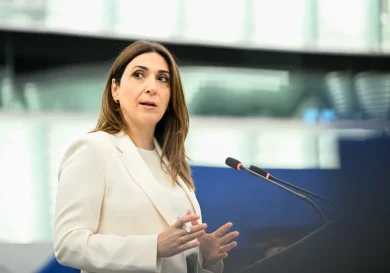
Brussels, Belgium. The European Parliament on Wednesday approved an overhaul of migration policy aimed at increasing deportations and allowing member states to establish detention centres abroad. Critics said the changes weaken safeguards for asylum seekers and described the system as cruel.
Policy shift approved by Parliament
The measure still requires final formal approval from the 27 EU member governments. It marks a sharp hardening of EU migration policy that has developed since more than one million refugees and migrants arrived in 2015 and 2016.
The move highlights the rise in anti-immigration sentiment across the European Union over the past decade, which has broadened support for far-right parties.
Commission defends faster returns
In a letter sent on Tuesday to member states ahead of a meeting of EU leaders in Brussels, European Commission President Ursula von der Leyen said the Return Regulation would provide the tools needed to make returns more efficient through faster and more effective procedures.
EU countries say they have difficulty ensuring that rejected asylum seekers and people who overstay their visas leave their territory.
Criticism from rights advocates
Critics say EU migration policy has become too focused on deterrence and deportation while overlooking the root causes of migration, including conflict, poverty and political repression.
Volker Turk, the United Nations human rights chief, said on Monday at the United Nations Human Rights Council that the dehumanization of migrants and refugees, including in the UK, US and many EU countries, is appalling and often leads to the denial of their rights.
He said the European Union’s new rules on returning migrants risk expanding the use of detention, establishing offshore return hubs and weakening safeguards against refoulement.
Afghan deportation talks
Last month, the Commission invited Taliban officials to Brussels to discuss deportations of Afghan migrants, despite warnings from human rights groups that such engagement could endanger Afghans and violate core EU values.
The Commission and the Swedish government, which is co-hosting the visit, said the meeting is technical and does not constitute recognition of Taliban rule.