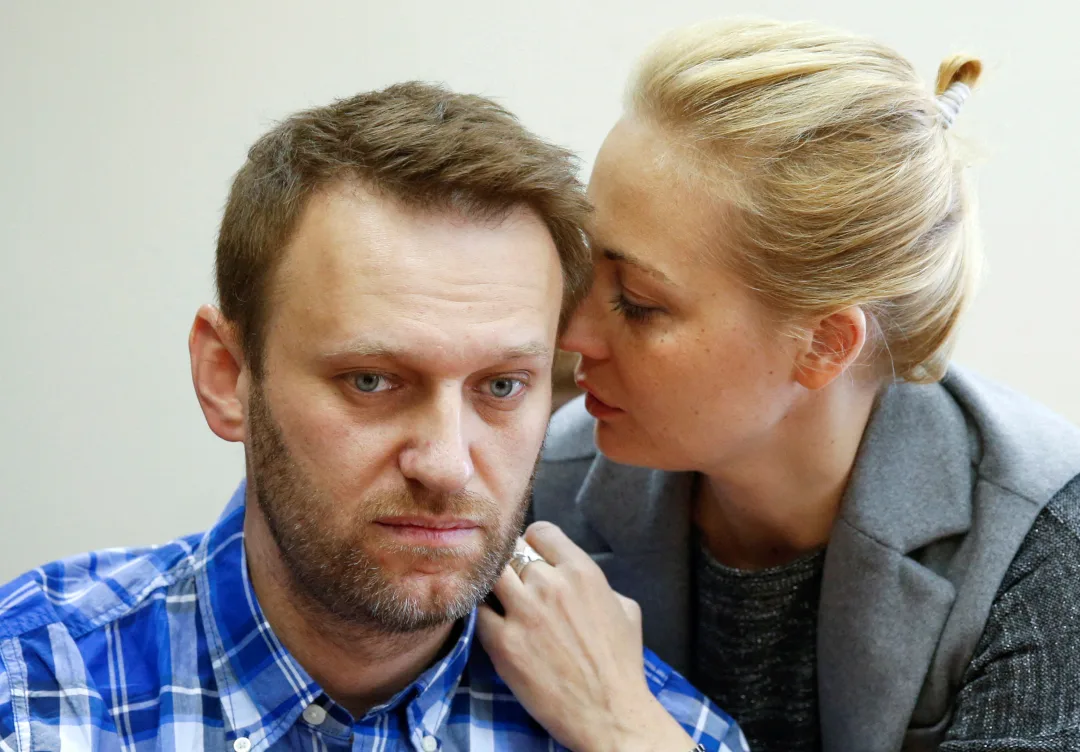
London, United Kingdom. Britain, France, Germany, Sweden and the Netherlands said they are convinced Kremlin critic Alexei Navalny was poisoned with a lethal toxin in an Arctic penal colony two years ago. The governments cited analyses of samples from Navalny’s body.
Findings and toxin identified
In a joint statement issued in London on Saturday, the five governments said their findings were based on analyses that “conclusively” confirmed the presence of epibatidine. They described epibatidine as a toxin found in poison dart frogs in South America and not found naturally in Russia.
Report to the OPCW
The statement said Russia had been reported to the Organisation on the Prohibition of Chemical Weapons over the breach. The Russian government has repeatedly denied any responsibility for Navalny’s death.
Navalny’s death and accusations
Navalny died in an Arctic prison colony in February 2024 after being convicted of extremism and other charges, which he denied. His team and his widow, Yulia Navalnaya, have accused President Vladimir Putin of ordering his murder.
Calls for accountability and treaty concerns
The statement said Navalny died “while held in prison, meaning Russia had the means, motive and opportunity to administer this poison to him.” It added that the findings showed Russia needed to be held accountable for “its repeated violations of the Chemical Weapons Convention and, in this instance, the Biological and Toxin Weapons Convention.” The statement also said the governments were concerned that Russia did not destroy all of its chemical weapons.
UK foreign minister’s statement
In a separate statement, British foreign minister Yvette Cooper, who met Navalny’s widow at the Munich Security Conference, said the findings were “shining a light on the Kremlin’s barbaric plot to silence his voice.”
What do you think the report to the Organisation on the Prohibition of Chemical Weapons will lead to?