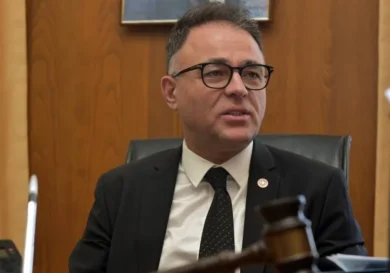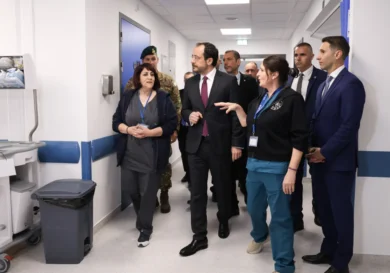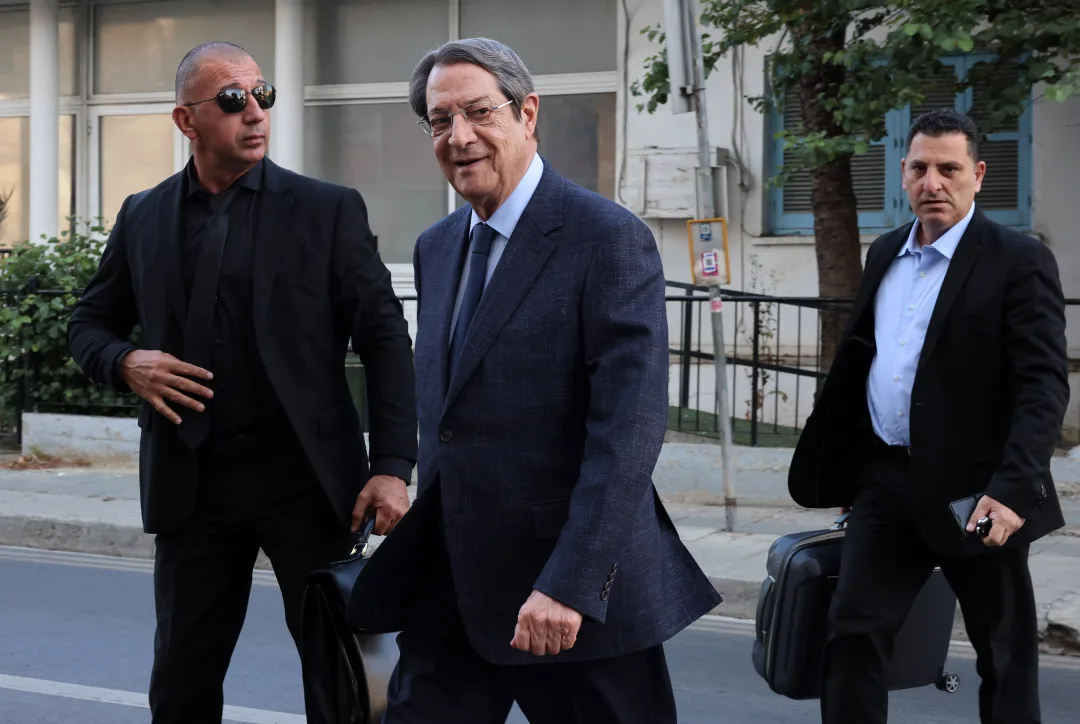
Nicosia, Cyprus. Former Supreme Court judge Michalakis Christodoulou has rejected allegations that he is connected to a covert network described by Makarios Drousiotis as operating under the Rosicrucians. Cyprus police have opened an inquiry into the claims.
Allegations circulated publicly
The reaction followed publications by Drousiotis, which began circulating publicly on Monday, outlining what he alleges is a structured, clandestine system involving figures in the judiciary, politics and business.
Central to his claims is the assertion that a modern incarnation of a Rosicrucian brotherhood operates within Cyprus, exercising influence over institutions and facilitating unlawful activity.
Christodoulou issues categorical denial
Christodoulou dismissed the claims in their entirety and said he is available to authorities for any investigation.
He also questioned the plausibility of the allegations, rejecting any link to secret organisations or coordinated networks.
Police inquiry and request for evidence
Police have opened an inquiry under instructions from police-chief Themistos Arnaoutis, appointing a senior officer to examine the material cited by Drousiotis.
Authorities have called on him to submit all evidence, stressing that the authenticity and origin of the information, including digital communications, must be forensically assessed.
Scope of claims and background on Rosicrucianism
In his account, Drousiotis describes a network with both domestic and international dimensions, referring to a “brotherhood” which he associates with Rosicrucianism.
He suggests that this structure connects individuals across key sectors and influences decision-making processes, including within the justice system. The claims extend to references of criminal conduct, including corruption, manipulation of legal cases and coordinated financial activity.
Rosicrucianism is a philosophical and esoteric tradition that emerged in Europe in the early 17th century through a series of texts describing a secretive brotherhood focused on knowledge and reform.
What evidence, if any, will Makarios Drousiotis submit to police to support his allegations?