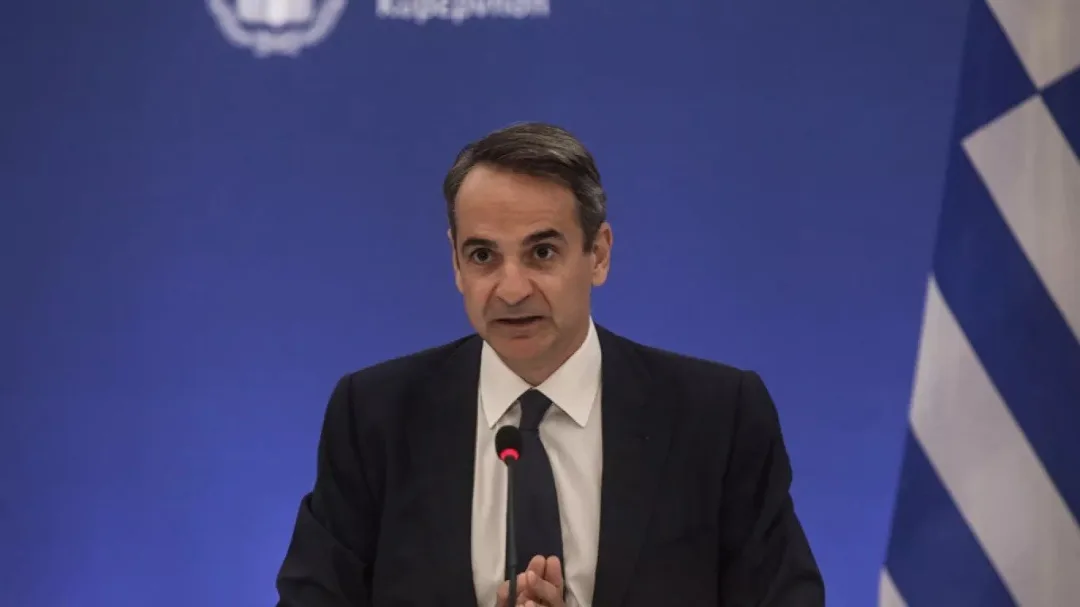
Athens, Greece. Greece has emerged as the main obstacle to the European Union’s latest sanctions package against Russia, seeking softer restrictions on Russian liquefied natural gas supplies to protect its shipping industry. EU ambassadors are due to meet on Wednesday in an effort to reach a compromise and approve a 21st sanctions package over Russia’s invasion of Ukraine.
Proposed LNG restrictions
The EU’s 27 member states unanimously agreed in October last year to ban imports of Russian LNG from 2027. The proposed new package also targets Russia’s banking sector in an effort to increase pressure on Moscow’s financial system.
Athens argued last week that a ban on Russian LNG imports would redirect market share to competitors outside Europe without significantly reducing Russian revenues.
Shipping industry concerns
Greece dominates Europe’s LNG carrier market and is among the world’s leading shipping nations in the sector, alongside Japan, China and the United States.
The country has the world’s largest merchant fleet and relies on Russian LNG transported through its ports for market opportunities and local employment. Greek officials have argued that a full transport ban would harm the local economy.
Industry position
Critics have pointed to the interests of Greek shipping companies, including Dynagas, owned by Greek billionaire George Prokopiou. The company operates specialised ice-breaking LNG tankers serving Russia’s Yamal LNG project in Siberia.
Dynagas has said that banning the transport of Russian LNG would damage Europe’s maritime sector without significantly weakening Russia’s war effort. In a statement issued last week, it described the measure as a “self-inflicted blow” to European shipping capacity and said it would not achieve its geopolitical objectives.
The company also warned that the restrictions could force it to default on debt agreements linked to its fleet. Its position reflects the concerns of Greece’s shipping industry and aligns with Athens’ position in Brussels.
EU negotiations
EU diplomats had hoped that the departure of Hungary’s Viktor Orbán, whose government repeatedly delayed military assistance to Ukraine and sanctions against Russia, would allow smoother negotiations on future measures.
Instead, new divisions have emerged as the European Commission seeks to close loopholes that allow Russian businesses to circumvent sanctions and increase pressure on the Kremlin’s energy revenues.