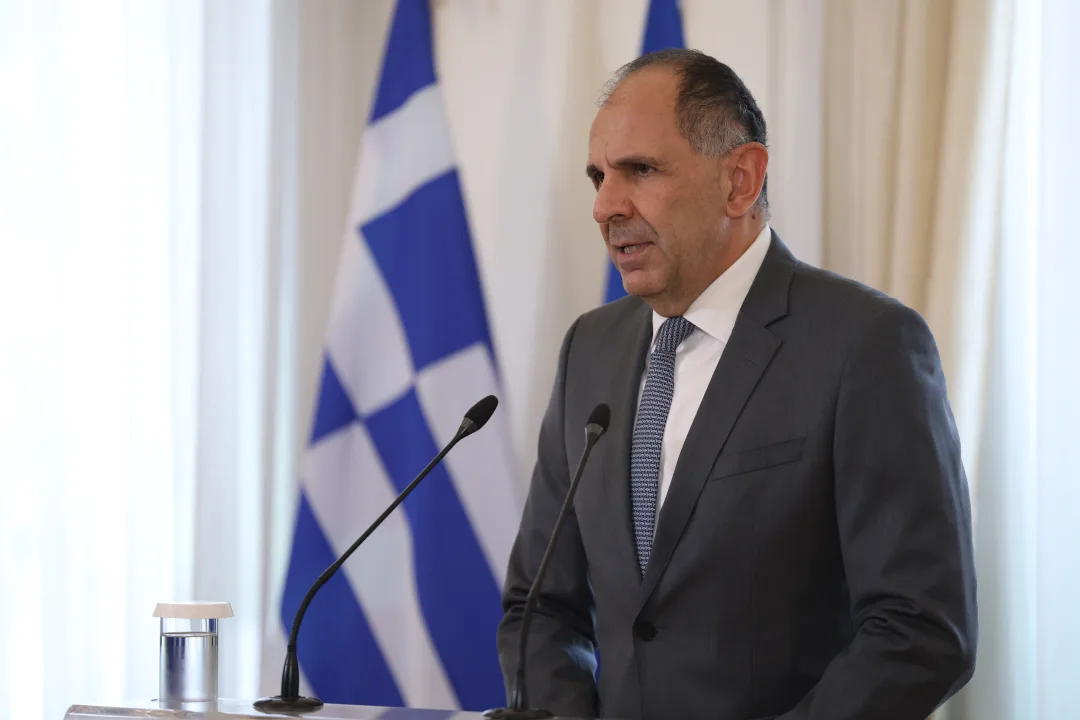
Athens, Greece. Greek Foreign Minister Giorgos Gerapetritis said Cyprus is “the most important element of Greek foreign policy” and vowed the issue “will never be abandoned.” He told parliament informal discussions on resolving the Cyprus problem have restarted and “have already brought results.”
Cyprus as Greece’s foreign policy priority
Addressing Greece’s parliament on Friday, Gerapetritis said the island constitutes “the immediate and major priority of our national foreign policy.” He said the resumption of informal discussions followed a period of stagnation after Crans-Montana.
Reunification framework and next steps
Gerapetritis said reunification must be pursued “on the basis of the United Nations general assembly and security council’s resolutions” and would “guarantee peace and prosperity for Greek Cypriots and Turkish Cypriots within the European family.” He said Greece looks forward to working on “the next step in the upcoming informal meeting in a broader format,” adding that “divisions have no place in the modern, turbulent international landscape.”
Upcoming contacts and proposed enlarged meeting
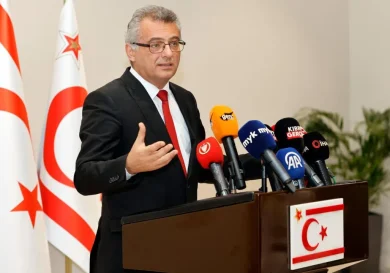
UN envoy Maria Angela Holguin is widely expected to return to the island later this month to meet Turkish Cypriot leader Tufan Erhurman and President Nikos Christodoulides, with a fresh enlarged meeting set to take place in the weeks that follow. The enlarged meeting is expected to include the island’s two sides, guarantor powers Greece, Turkey and the United Kingdom, and the United Nations, though Erhurman said last month it “should not be held without prior agreements on certain issues in Nicosia.”
Funeral in Nicosia and trip to Egypt
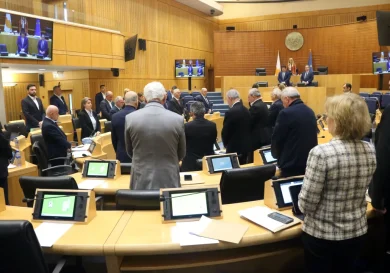
Gerapetritis confirmed he will attend the funeral of late Cypriot president George Vassiliou in Nicosia on Saturday, describing him as “a truly very important politician who left a very strong mark.” He also said he will travel on Sunday with Cypriot counterpart Constantinos Kombos to Egypt for a trilateral meeting with Egyptian Foreign Minister Badr Abdelatty.
What do you think should be the next concrete step in the renewed informal discussions on the Cyprus problem?