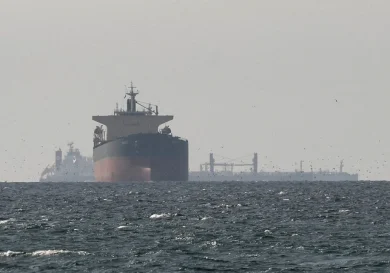
Nicosia, Cyprus. Rising energy prices following disruptions to shipping through the Strait of Hormuz have pushed inflation higher, with ECB projections showing Eurozone inflation averaging 3 per cent in 2026. In Cyprus, the effects on consumers are expected to vary depending on household spending patterns, income sources and balance sheets.
Energy shock and inflation outlook
Since the outbreak of the war between US and Iran and the subsequent intermittent closure of the Strait of Hormuz, ship crossings have fallen by around 90 per cent compared with pre-war levels. Oil prices have nearly doubled compared with 2025 levels.
The ECB’s June 2026 macroeconomic projections show Eurozone inflation averaging 3 per cent over 2026, up from 1.9 per cent in its December 2025 projections. Energy inflation was revised to 8.4 per cent from minus 1 per cent in December.
Expenditure channel
The impact of inflation on consumers depends in part on which goods and services are driving price increases. When inflation is concentrated in specific categories rather than spread evenly across the economy, households are affected differently according to their spending patterns.
Low-income households tend to spend a larger share of their income on necessities such as food and energy. Given the oil-driven nature of the current inflation increase, combined with the characteristics of the Cyprus economy and consumer dependence on energy, particularly for transport and electricity generation, these households are likely to experience inflation above the average.
Income channel
Inflation also affects households differently depending on their main sources of income. Low-income households rely mainly on wages and social benefits, which are typically slow to adjust. However, wage indexation practices such as the Cost of Living Adjustment offer some protection.
Higher-income households are more likely to have alternative income sources, including returns from financial investments and entrepreneurial activities, which can adjust faster to macroeconomic developments such as inflation and provide more diversified income streams. At the same time, market-based adjustments are not always favourable, as equity markets are volatile. Still, high-income households tend to hold more financial assets, including shares in listed companies, whose profits have been observed to remain stable in some previous inflationary episodes.
Wealth channel
A third channel relates to household balance sheets. Low-income households tend to hold assets mainly in cash and bank deposits, whose real value is reduced by inflation.
Inflation also lowers the real value of liabilities such as mortgages, which are more likely to be held by low-income and younger households. Through this channel, especially when inflation is unexpected, wealth is redistributed from lenders and savers to borrowers. Combined with the income channel, this can potentially benefit low-income households if the real value of their debt declines while the real value of their income is maintained through COLA-type adjustments.
Consumption effects and duration of the shock
Whether inflation causes lasting changes in consumption depends mainly on how long the shock lasts and whether it was anticipated. Temporary inflation shocks, and the temporary fall in real incomes that follows, generally do not lead to permanent shifts in spending.
Consumers tend to smooth consumption across goods and over time, adjusting only until conditions stabilise. In the current environment, households are likely to reduce energy use and possibly cut broader spending or increase savings, but these effects are expected to fade if inflation proves transitory.
Risks of longer-term changes
Two cautions remain. First, consumers and firms may not perceive the duration of a shock in the same way. The Covid-19 pandemic, while not a permanent shock like technological change, still produced lasting effects such as widespread hybrid work, which reshaped spending patterns.
Second, very large shocks can trigger structural and lasting changes in consumption. One historical example is the 1970s energy crisis, when the sharp drop in oil demand contributed to the 1980s oil glut, pushing prices from a peak of $35 per barrel, about $137 in 2025 dollars, to below $10 by 1986, about $29 in 2025 dollars.