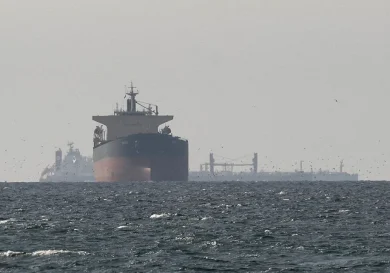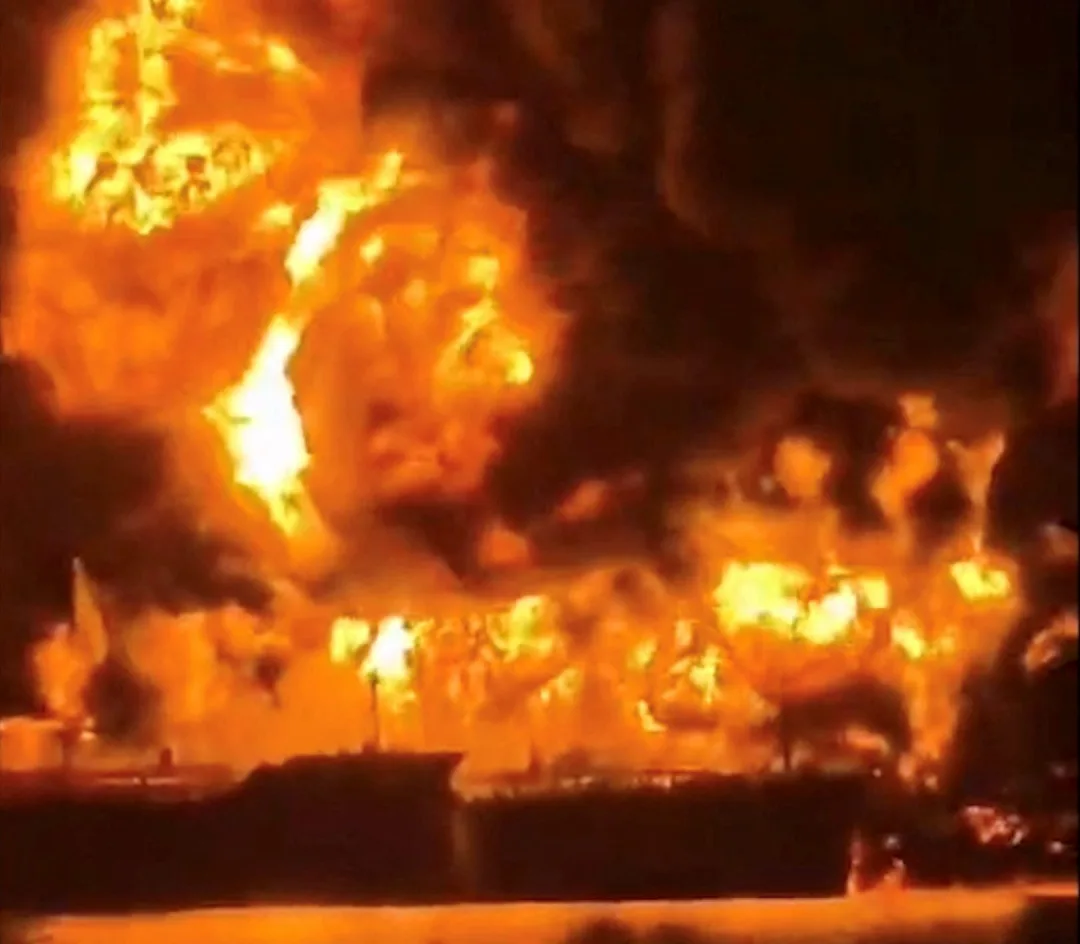
Baghdad, Iraq. Iran appeared to have set ablaze two tankers in Iraqi waters amid widening attacks on oil and transport facilities across the Middle East, as it warned oil could reach $200 a barrel. Oil prices rose again and global markets fell as the conflict approached two weeks.
Conflict and casualties
The war, unleashed with joint U.S. and Israeli air strikes on Iran nearly two weeks ago, has killed around 2,000 people and thrown global energy markets and transport into chaos. The United Nations Children’s Fund (UNICEF) said more than 1,100 children had been killed or injured.
Trump remarks in Kentucky
At a campaign-style rally in Kentucky ahead of November midterm elections in which his Republican party is trailing badly, President Donald Trump said the United States had won the war but did not want to have to go back every two years. “We don’t want to leave early do we?” he said on Wednesday. “We got to finish the job.”
Oil prices and market reaction
Oil prices, which rose earlier in the week to nearly $120 a barrel before retreating, jumped almost 10% back above $100 a barrel in Asian trade on Thursday amid renewed fears about supply disruption. Wall Street’s main share indexes fell and stocks in Asia also declined.
Iran warning on oil prices
Iran said it intended to impose a prolonged economic shock. A spokesperson for Iran’s military command said in remarks directed at the United States on Wednesday: “Get ready for oil to be $200 a barrel, because the oil price depends on regional security, which you have destabilised.”
Reported tanker attacks in Iraqi and Gulf waters
Iranian explosive-laden boats appeared to have attacked two fuel tankers in Iraqi waters, setting them ablaze and killing one crew member, after projectiles struck three merchant vessels in Gulf waters, according to port officials, maritime security and risk firms.
IEA strategic reserves plan
Tony Sycamore, an analyst at IG, said the incidents appeared to mark “a direct and forceful Iranian response to the IEA’s overnight announcement of a massive strategic reserve release aimed at cooling runaway prices.” The International Energy Agency, made up of major oil-consuming nations, on Wednesday recommended releasing 400 million barrels from global strategic reserves to dampen one of the worst oil shocks since the 1970s, the biggest such intervention in history.
How do you think the recommended release of 400 million barrels from strategic reserves will affect oil prices in the coming weeks?