Tehran, Iran. Military strikes attributed to the United States and Israel, along with the death of Supreme Leader Ayatollah Ali Khamenei, have sent shockwaves through international energy markets. Analysts are focusing on risks to Iran’s oil output and global supply routes.
Iran production and exports
Despite years of sanctions, Iran produces approximately 3.3 million barrels of oil per day, up from 2 million bpd in 2020. Tehran exports nearly 90% of this output to China, using a “ghost fleet” of aging tankers that frequently disable tracking systems to bypass international restrictions.
Key infrastructure and supply vulnerability
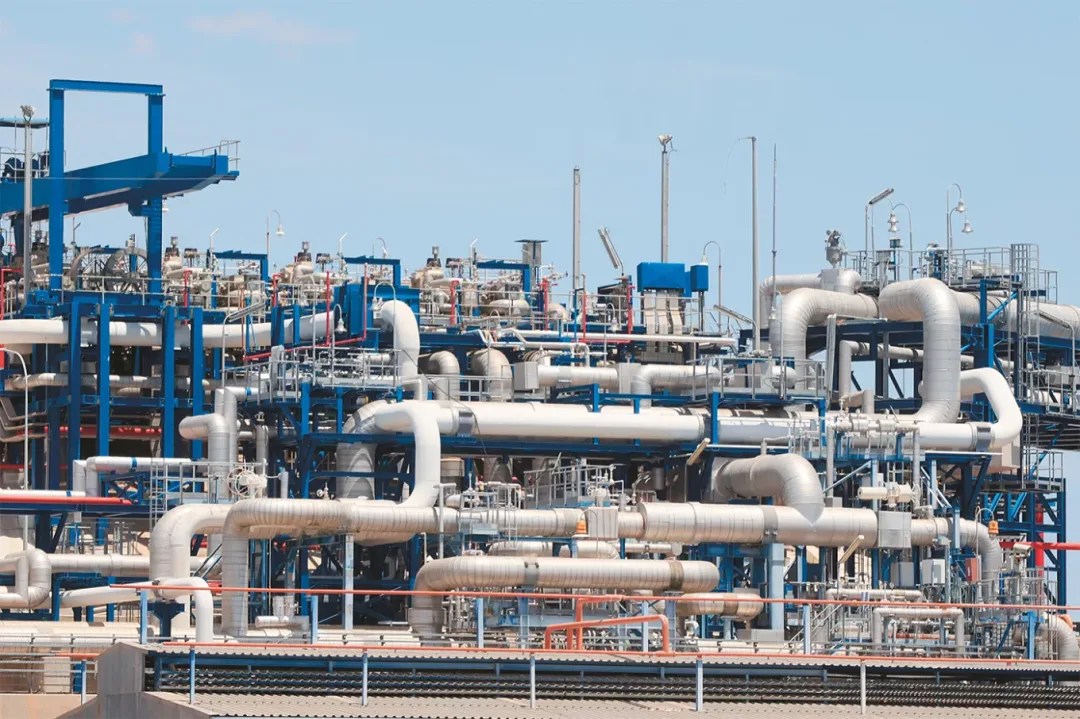
Industry analysts said Iran’s most critical economic arteries are at risk. The main oil fields are concentrated in Khuzestan province and supported by several high-capacity facilities.
Strait of Hormuz seen as major risk
Analysts described the potential closure of the Strait of Hormuz as the “nightmare scenario” for global markets. About 20% of the world’s oil and refined products pass through the narrow waterway, and while Saudi Arabia and the UAE have alternative pipelines, a total blockade would be expected to trigger sharp price increases.
Market moves and investor reaction
Brent crude rose to $73 per barrel on Friday, its highest level since July. Historical data suggests a 1% decrease in global supply typically results in a 4% price increase. Analysts said a full-scale escalation could push investors toward “safe havens” such as the US dollar, Japanese yen, and gold, while high-risk stocks could fall by 1-2%.
OPEC+ output considerations
OPEC+ members led by Saudi Arabia and the UAE are considering production increases for April to address potential supply gaps. The alliance may exceed a previously planned hike of 137,000 bpd to stabilize the market.
Iran offshore storage and outlook
Iran has secured a record 200 million barrels in offshore floating storage, equivalent to nearly two days of global consumption, as a buffer against potential US strikes on land-based facilities. Analysts said the duration and intensity of current military operations, and Tehran’s potential response in the Strait of Hormuz, will determine the severity of the shock to the global economy.
What developments will you be watching most closely for their impact on oil prices?