New Delhi, India. An Indian source said Iran will allow India-flagged tankers to transit the Strait of Hormuz, though an Iranian source based outside the country denied any such agreement. India has criticised attacks on commercial shipping amid heightened tensions in West Asia.
Conflicting accounts on transit arrangement
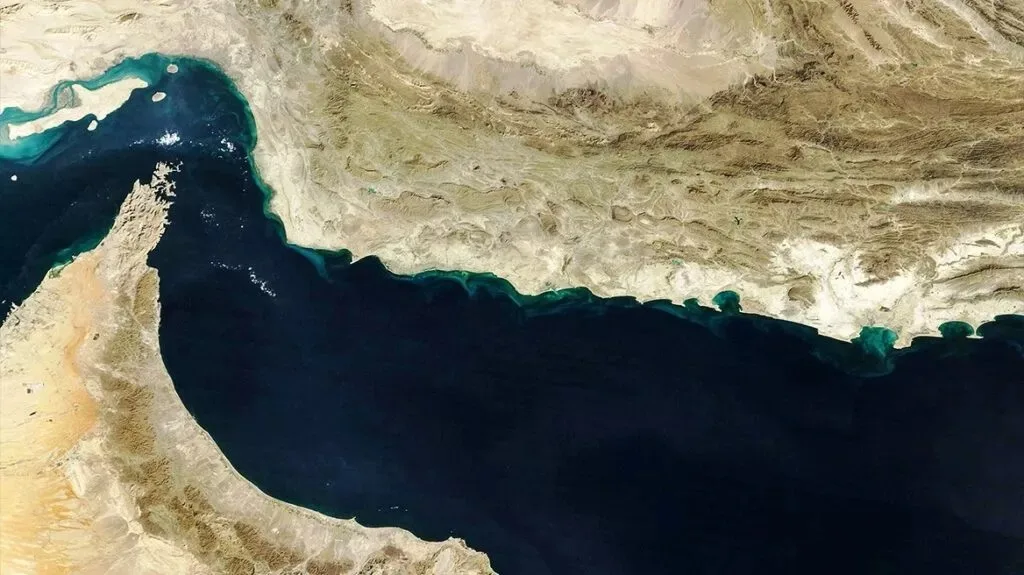
An Indian source said on Thursday that Iran will allow India-flagged tankers to transit the Strait of Hormuz, a route through which 40% of India’s crude imports pass. An Iranian source based outside the country denied that any agreement had been reached, citing the sensitivity of the matter.
India’s foreign ministry and the Iranian embassy in New Delhi did not immediately respond to requests for comment. The Indian source declined to be named, citing a lack of authorisation to speak to the media.
Attack on vessel and India’s response
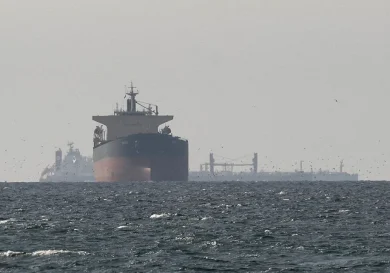
A Thai vessel bound for Kandla port in western India was attacked in the Strait on Wednesday, prompting criticism from New Delhi.
“India deplores the fact that commercial shipping is being made a target of military attacks in the ongoing conflict in West Asia,” the foreign ministry said late on Wednesday. It added that “precious lives, including those of Indian citizens, have already been lost in multiple such attacks in an earlier phase of the conflict,” and said the “intensity and lethality of the attacks appear to be increasing.”
Shipping disruptions and oil market concerns
Iran has attacked at least 16 ships in the passage since Israel and the United States began their war on the country in late February. Tehran has warned that oil prices could surge to $200 a barrel, nearly double current levels.
Diplomatic contacts and impact on India’s oil supplies
India’s foreign minister, S. Jaishankar, held a phone conversation with his Iranian counterpart Seyed Abbas Araghchi earlier this week and discussed the security of maritime traffic through the Strait, among other issues, according to an Iranian readout of the call.
The near-closure of the route has compelled India, the world’s No.3 oil consumer, to seek alternatives including buying more from Russia.
How could continued disruption in the Strait of Hormuz affect the cost and availability of fuel for you?