Tehran, Iran. Three senior sources in Tehran said Iran’s negotiating posture has hardened since the war began, with the Revolutionary Guards gaining influence, and that Tehran would seek significant U.S. concessions if mediation leads to serious talks.
Iran’s stated demands and red lines
The sources said Iran would demand an end to the war and concessions they described as likely red lines for U.S. President Donald Trump, including guarantees against future military action, compensation for wartime losses and formal control of the Strait of Hormuz. They added that Iran would refuse to negotiate limitations on its ballistic missile programme, an issue they said had been a red line during talks underway when the United States and Israel launched their attack last month.
Contacts and claims about talks
Trump said on Monday that Washington had already had “very, very strong talks” with Tehran more than three weeks into the war, but Iran has publicly denied this. The three senior sources said Iran had only held preliminary discussions with Pakistan, Turkey and Egypt about whether groundwork existed for talks with the United States on ending the war.
A European official said on Monday that there had been no direct negotiations between Iran and the United States, but that Egypt, Pakistan and Gulf states were relaying messages. A Pakistani official and a second source said on Monday that direct talks on ending the war could be held in Islamabad this week.
Potential Iranian delegation and decision-making
If talks were arranged, the Iranian sources said Iran would send Parliament Speaker Mohammad Baqer Qalibaf and Foreign Minister Abbas Araqchi, while cautioning that decisions would ultimately lie with the hardline Islamic Revolutionary Guard Corps.
Israeli officials’ assessment and leverage points
Three senior Israeli officials said on Tuesday that although Trump seemed determined to reach a deal, they viewed it as unlikely Tehran would agree to U.S. demands, which they believed would include an end to Iran’s ballistic missile and nuclear programmes.
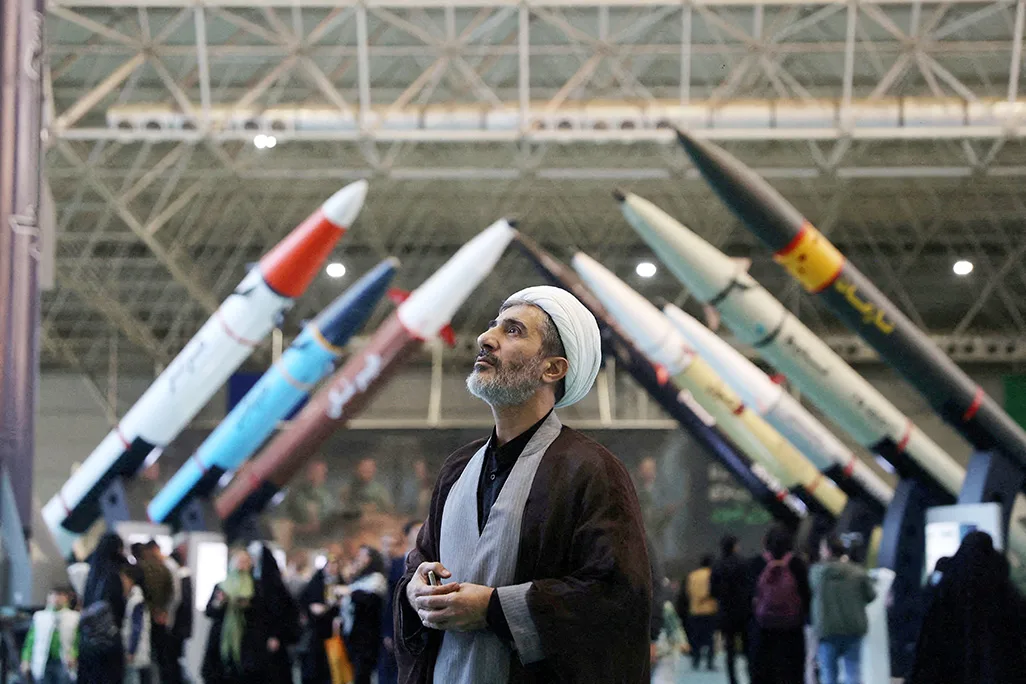
Iran’s use of ballistic missiles and its ability to effectively close the Strait of Hormuz, through which about a fifth of the world’s oil and liquefied natural gas usually flows, have been its most effective responses to U.S.-Israeli strikes. Analysts said Iran could not agree to give these up without leaving itself defenceless against further attacks.
What concessions, if any, do you think could realistically form the basis of talks to end the war?