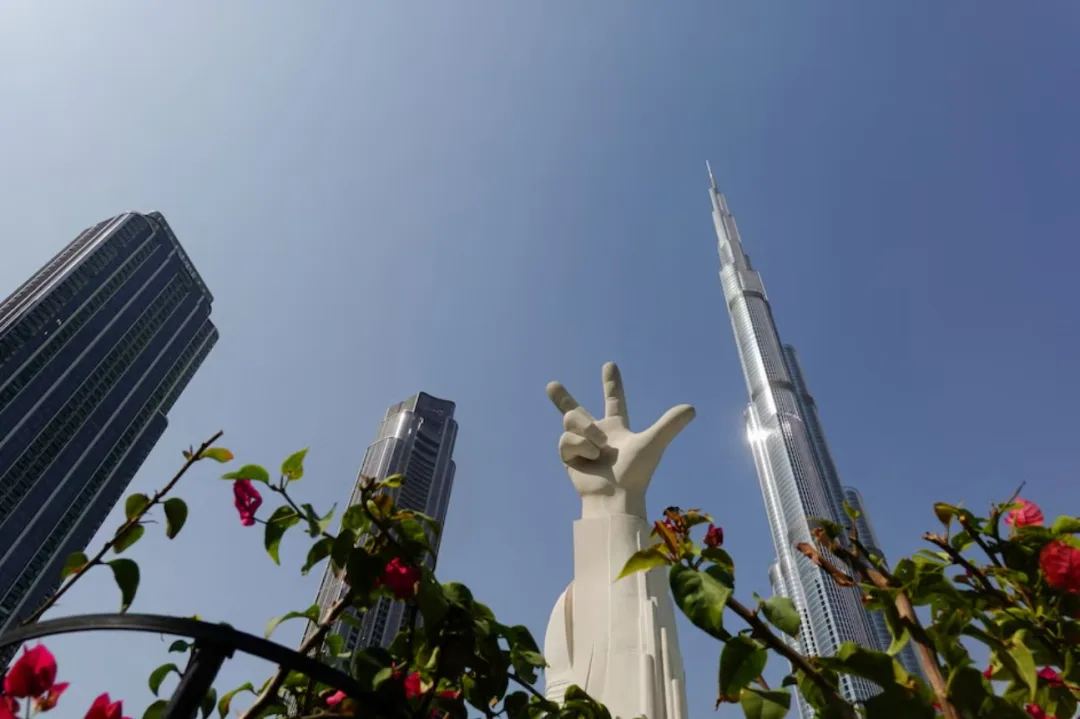
Dubai, United Arab Emirates. Iran’s retaliatory strikes across the Gulf have triggered widespread business disruption, forcing airport closures, halting port operations and shaking financial markets. Three people were killed in the United Arab Emirates as explosions were heard for a third day in Dubai and Abu Dhabi on Monday.
Strikes and reported damage across the Gulf
The attacks were launched in response to a joint US-Israeli assault on Iran and landed across every major state in the Gulf. Iran’s strikes targeted airports, military installations, ports and hotels across the region.
Dubai International Airport and Abu Dhabi’s Zayed International Airport sustained damage, with one civilian killed and 11 injured across the two sites. A berth at Dubai’s Jebel Ali Port caught fire following an aerial interception.
Impact on the UAE and Dubai’s business model
The strikes marked an escalation for Dubai, which has promoted itself as insulated from regional conflict. Dubai developed from a small fishing village and used oil revenue to build ports, airports and trade centres, before shifting in the 1990s toward luxury tourism, real estate and financial services.
Market reaction and trading suspensions
Gulf stock markets fell sharply when trading opened on Sunday, with Saudi Arabia’s benchmark index dropping more than 4 per cent at the open and closing down 2.2 per cent. Oman closed down 1.4 per cent and Egypt lost 2.5 per cent, both paring earlier losses. Qatar’s index was down 2 per cent in early trading on Monday.
The crisis also affected global markets. Brent crude rose to just over $78 a barrel on Monday from a Friday close of $72.87. Asian equities fell, with Japan’s Nikkei down 1.6 per cent, Hong Kong’s Hang Seng down 1.8 per cent and Taiwan’s benchmark down 0.9 per cent.
The UAE, whose financial markets do not trade on Sundays, closed its exchange on Monday and Tuesday. Kuwait was closed on Sunday and suspended trading until further notice.
Analysts on oil prices and sector risks
“Regionally, the impact across (Gulf) economies is mixed,” said Vijay Valecha, chief investment officer at Century Financial. He said elevated oil prices could provide a fiscal cushion for producers such as Saudi Arabia and Qatar, while trade, logistics and tourism, particularly in the UAE, could face pressure if shipping risks rise or regional sentiment weakens.
“Markets will continue to be fragile and volatile as long as the military actions are active,” said Mohammed Ali Yasin, chief executive of Ghaf Benefits, a Lunate company in Abu Dhabi, speaking before news of the market closing. He said international institutional investors typically apply initial selling pressure, while local investors try to soften declines by buying leading stocks.
How do you expect the disruption to affect travel and business activity in the Gulf in the coming days?