Iran-US ceasefire leaves key questions over Middle East stability unresolved
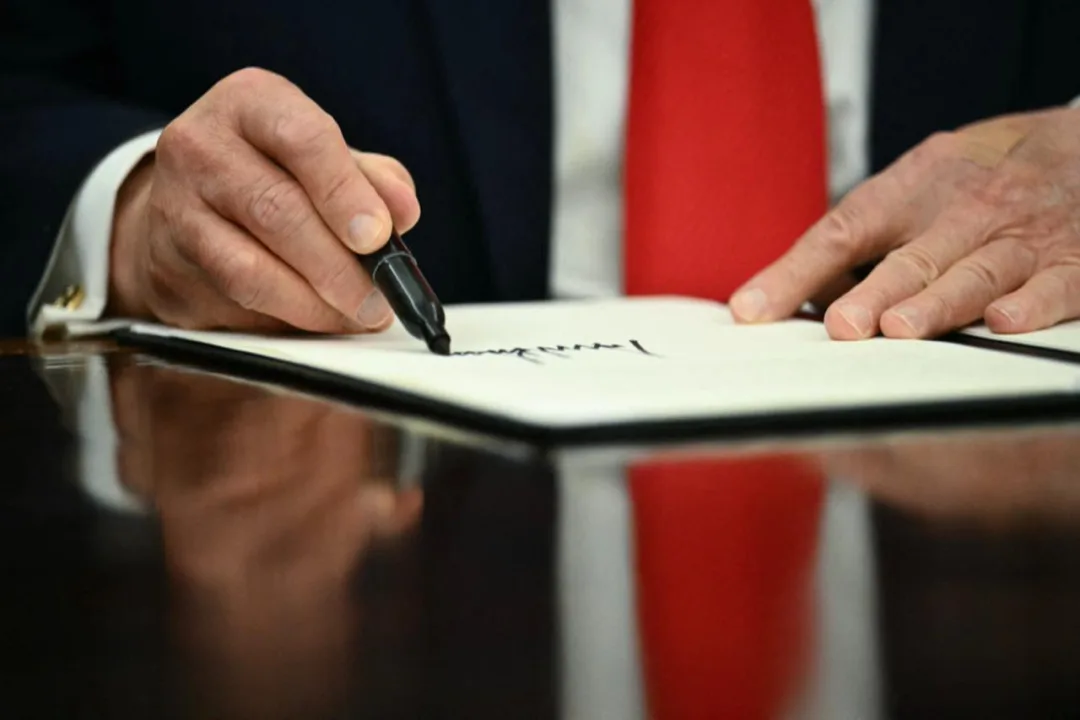
Athens, Greece. The ceasefire that ended the conflict between Iran and the United States has reduced the immediate risk of a wider Middle East confrontation, but major questions about the region’s future remain unresolved. Key issues include Tehran’s nuclear programme, the Strait of Hormuz, the regional balance of power and the role of major powers.
Unresolved strategic questions
Antonis Klapsis, Associate Professor in the Department of Political Science and International Relations at the University of the Peloponnese, told Phileleftheros that these issues remain at the centre of a complex geopolitical puzzle with consequences extending beyond the region to international security as a whole.
He said the crisis also exposed shifting balances of power in an increasingly uncertain and unpredictable world. Cyprus, he said, is inevitably affected by the new reality emerging in the region and by an international system in which power is increasingly taking precedence over rules.
Iran’s position after the ceasefire
Klapsis said the agreement signed after the conflict amounted to a points victory for Tehran. He said Iran managed to endure until the end and that the Islamic regime remained in place.
He said the agreement did not impose binding conditions on specific issues and instead opened the way for new negotiations between Tehran and Washington rather than resolving their differences.
On the nuclear programme, he said the most likely outcome is that Iran will seek to preserve it in some form while maintaining that it serves peaceful rather than military purposes.
Regarding the Strait of Hormuz, he said Tehran handled the issue as effectively as possible and gained a negotiating advantage from very little. He said Iran is unlikely to give up that advantage easily and will seek to use it to extract as much as possible.
Regional balance of power
Klapsis said the past three years have brought major changes to the balance of power across the Middle East. Among the most significant developments, he cited the collapse of the Assad regime in Syria, which deprived Iran of a traditional regional ally that had been able to exert pressure on Israel.
He said Iran’s overall regional foothold had been diminishing. However, he added that the conflict that began last February appears to have strengthened Tehran by showing that it can not only withstand external pressure but also inflict damage on a regional scale.
A more fluid regional order
Klapsis said the end of the conflict has not produced a stable regional order. Instead, he said, it has left a Middle East that is more fluid, more fragmented and more competitive.
He said Israel remains powerful and central to the region, but that the conflict also revealed the limits of its military superiority. He added that Iran remains under pressure but has not been marginalised.
This news item was generated automatically by Cyprus Inform from publicly available materials. Report an error →


