Larnaca, Cyprus. Larnaca is reshaping its investment profile through sustainable, large-scale coastal developments and cultural initiatives backed by private investment and local authorities. The city is positioning culture, innovation and quality of life as central elements of its development strategy.
Shift in development model
Larnaca is seeking to move from modest growth toward a model that combines sustainability, innovation and international visibility. The strategy draws on the city’s location in the eastern Mediterranean, its cultural heritage and its role in Cyprus’ economic landscape.
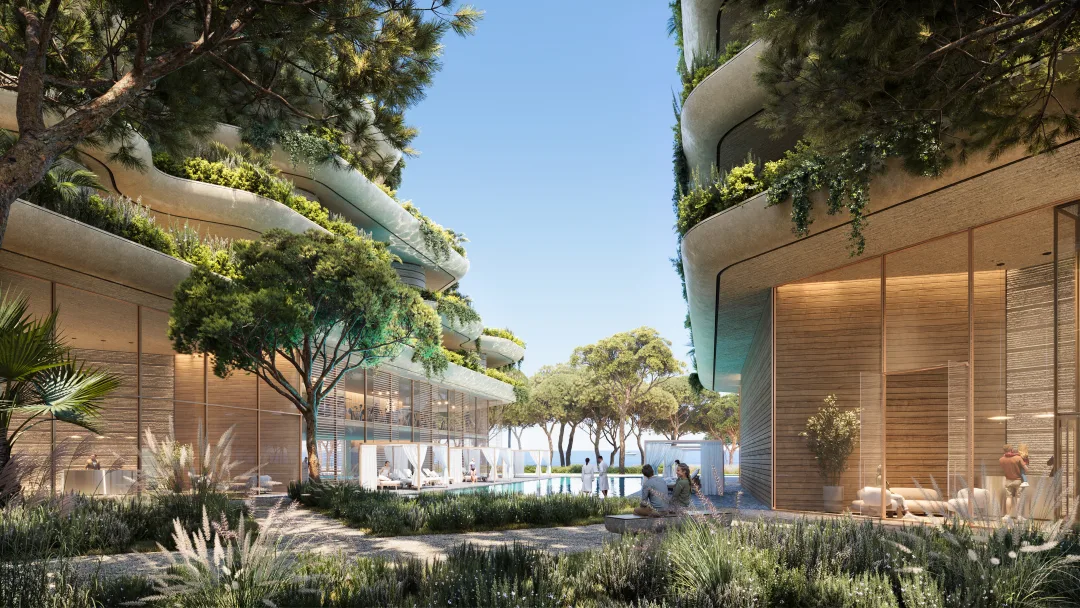
The city’s agenda includes large-scale residential developments, new cultural infrastructure and upgrades to public spaces, with the stated aim of attracting investment while improving conditions for residents and boosting its appeal to visitors and tourists.
European Capital of Culture 2030 as catalyst
Larnaca’s designation as European Capital of Culture 2030 is described as a catalyst for economic, social and urban development, with expectations of a lasting impact on the city.
According to the European Commission, the European Capitals of Culture initiative is viewed as a tool for urban and economic regeneration, with title-holding cities seeing tourism increases of up to 40 per cent, growth in cultural and creative industries, and investment attraction that can extend beyond the programme period.
The city is also linking increased European and international visibility to new business opportunities, aiming to strengthen its appeal to investors and innovative ventures.
Cultural infrastructure projects
The development strategy includes upgrades to existing infrastructure and the creation of new cultural assets. Projects cited include the renovation of the historic Rex cinema, the operation of the Museum of Man as a memory bank, and the creation of the Centre for Arts and Creative Design, presented as a cultural map connecting tradition and innovation.
The “Larnaka 2030” framework is intended to support cultural tourism, extend the tourist season and increase average spending per visitor, while ongoing investments are framed as steps toward sustainable economic growth.
Coastal regeneration
The strategy also includes coastal regeneration initiatives, referenced alongside the “Land of Tomorrow” development.
What impact do you expect the European Capital of Culture 2030 designation to have on Larnaca’s long-term development?