Limassol, Cyprus. Large public events during the Limassol Carnival generate significant waste, much of which is removed quickly from streets but remains as landfill or other disposal. The text argues that cleanup can obscure the scale of waste and calls for reducing single-use items.
Waste generated during carnival events
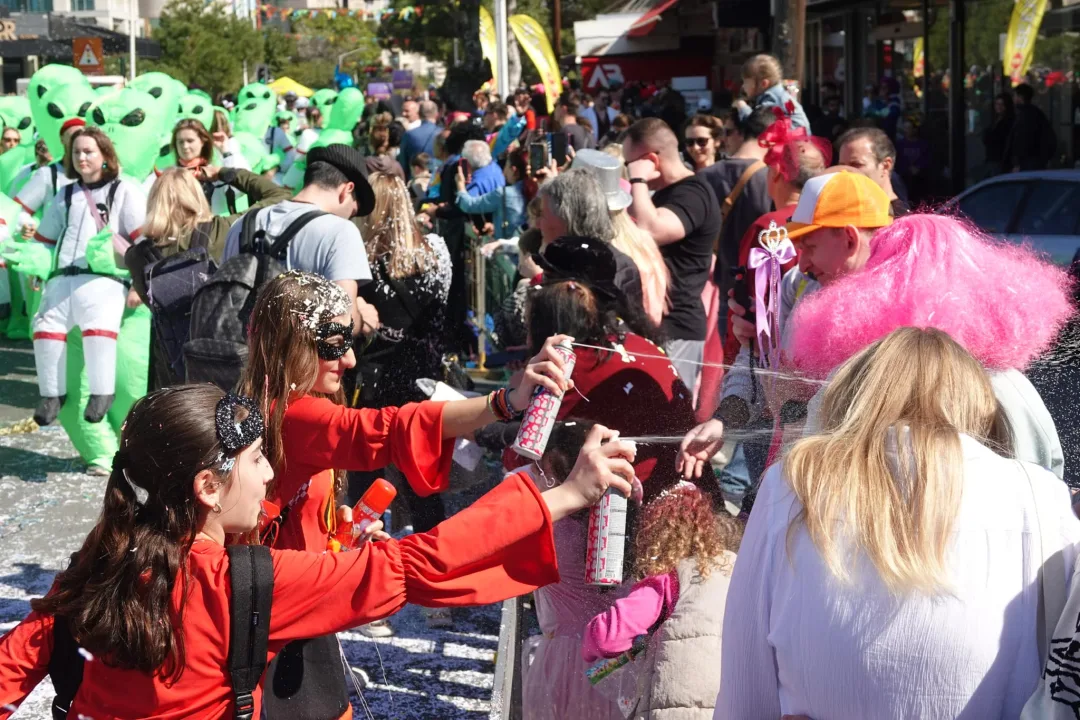
Parades and street parties during carnival are described as producing more than 45 tons of waste in a few hours, including spray cans, glass bottles, beer and soft drink cans, single-use plastic bottles, plastic accessories and packaging. Municipal staff and volunteers clean the streets after celebrations, and the volume collected is sometimes highlighted in news coverage.
Cleanup and disposal
The text states that cleaning moves waste out of sight rather than eliminating it, and that once streets appear tidy, public discussion tends to stop. It adds that the waste still exists and is often transferred elsewhere, including landfills.
Recycling and consumption
Recycling during these events is described as close to zero. The text argues that the focus should be on whether items are needed in the first place, rather than where they will go after use, and encourages people to observe what is purchased, used briefly and discarded during carnival activities.
Concerns over carnival sprays
Carnival sprays are cited as an example of a largely single-use product that is not recycled. The text says some contain chemicals it describes as unsafe for children, and that they release substances into the air and environment, affecting public spaces and health.
Safety and cultural impacts
The text also raises safety concerns, saying sprays are often thrown on the ground, can be slippery when stepped on, and may cause injuries if they get into the eyes. It adds that in Limassol they can damage costumes that people invest time, money and creativity to make.
Call to refuse certain products
From environmental, health, safety and cultural perspectives, the text describes carnival sprays as a product to avoid and concludes that refusing certain items can be a sustainable choice.
What steps will you take to reduce single-use waste during Limassol Carnival events?