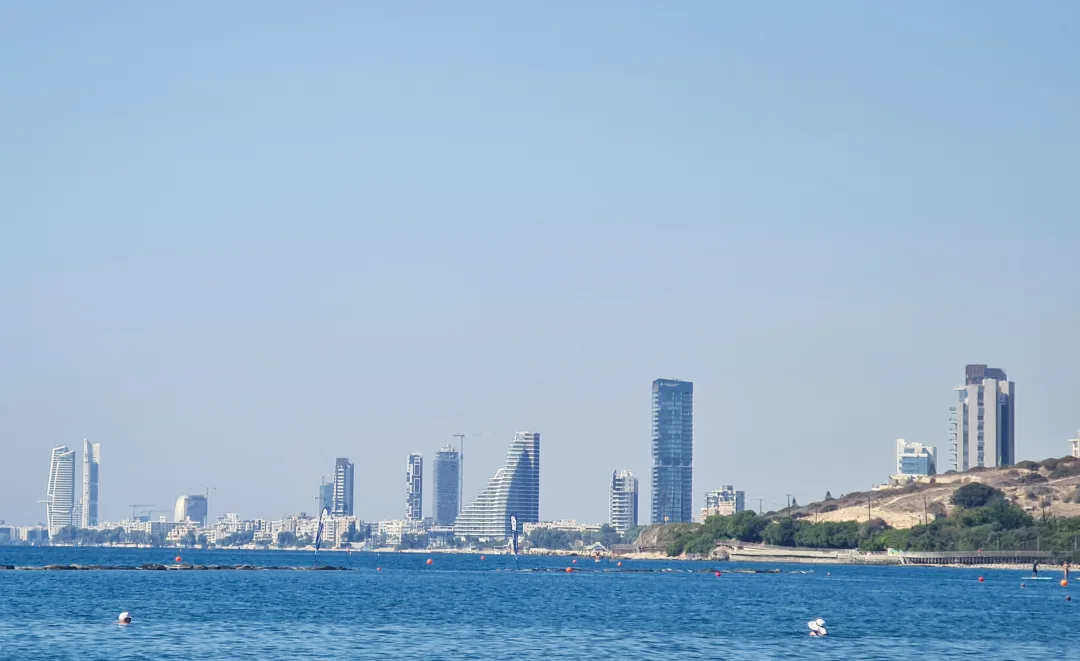
Limassol, Cyprus. Limassol has undergone major urban change over the past two decades, evolving from a city known for its port, carnival and wine festival into Cyprus’ most visible urban development project. The transformation has brought jobs and international attention, while also increasing pressure on housing, traffic and daily life.
Urban change over two decades
Limassol has long been shaped by movement, from activity at the port to daily life in its neighbourhoods. In recent years, towers, marinas, offices, tech companies and high-priced apartments have altered both the city’s skyline and its character.
The changes have contributed to greater confidence in the city and created employment opportunities. At the same time, rents have risen, traffic congestion has worsened and ongoing construction has become a constant presence, prompting concern among some residents about the speed of change.
Regeneration of the town centre
The city’s transformation began before the construction of towers, with the renewal of streets, pavements, squares and older buildings.
According to the European Commission’s Regional Policy department, the regeneration of Limassol’s town centre during the 2007-2013 programming period had a total budget of €18.4 million, including €15.64 million from the European Regional Development Fund.
The works began in 2010 and included the restoration of public spaces, streets and infrastructure in the city centre. Over time, cafes, restaurants, bars and small businesses moved into areas that had previously been quieter or overlooked, bringing the old town back into daily urban life.
Expansion of planning efforts
More recently, similar planning has extended beyond the historic centre. Limassol municipality’s Green Corridors vision, published in March 2026, outlines plans for 10,000 new trees, 25 new parks, safer streets for pedestrians, 30 kilometres per hour city zones, micro-mobility strategies and measures aimed at cooling the city.