Athens, Greece. Commercial shipping is no longer dealing with isolated danger zones but with a chain of crises that are increasingly feeding into one another, according to Nikolas-Alketas Drosos of EOS Risk Group. He said the traditional model of maritime risk no longer reflects the conditions facing shipowners, operators and insurers.
Shift in maritime risk environment
Drosos, Maritime Commercial Manager and Country Representative for Greece and Cyprus at EOS Risk Group, said international shipping had long operated on the assumption that the greatest threats were concentrated in specific areas and could be addressed through specific security measures.
He said that assumption is no longer valid, with commercial shipping now operating in an environment where state rivalry, terrorism, piracy, organised crime and migration pressures are no longer separate risks.
Pressure across major trade routes
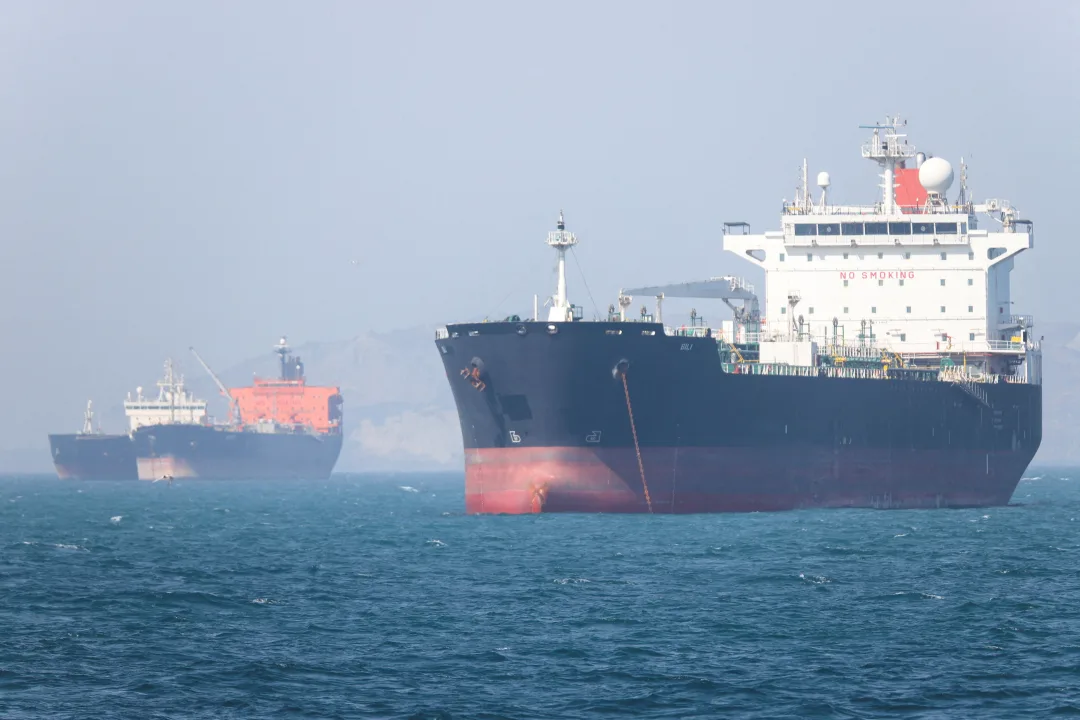
From the Strait of Hormuz to the Red Sea, and from the South China Sea to the Baltic, Drosos said threats are developing at the same time across routes that are essential for energy, food, raw materials and consumer goods.
According to him, this has turned maritime security into a commercial issue as much as a defence one, with route planning, insurance, crew safety and chartering decisions increasingly shaped by geopolitical developments.
Strait of Hormuz remains highly sensitive
Drosos said the most sensitive point remains the Strait of Hormuz, one of the world’s most important energy chokepoints. Although diplomatic contacts between the United States and Iran are continuing through mediators, he said the central disagreement over security control in the area has not been resolved.
He said Tehran wants commercial shipping to pass through the northern route under its own operational control, while Washington supports the southern route through Omani territorial waters. In practice, he said, two major powers are trying to impose different security rules on the same maritime area, meaning one incident could be enough to trigger a wider crisis within hours.
Red Sea risks continue
The Red Sea remains another pressure point, Drosos said. Although Houthi attacks have declined compared with previous months, he said the risk has not disappeared, with ships that have a real or perceived link to Israel continuing to be treated by the group as legitimate targets.
He said the threat continues to affect both the operational planning of shipping companies and the policy of insurance organisations, leaving little room for complacency.