Athens, Greece. New research on the Methana Volcano suggests volcanoes can remain dormant for more than 100,000 years before reawakening. The findings challenge the idea that volcanoes are “extinct” if they have not erupted for 10,000 years.
Study focuses on Methana near Athens
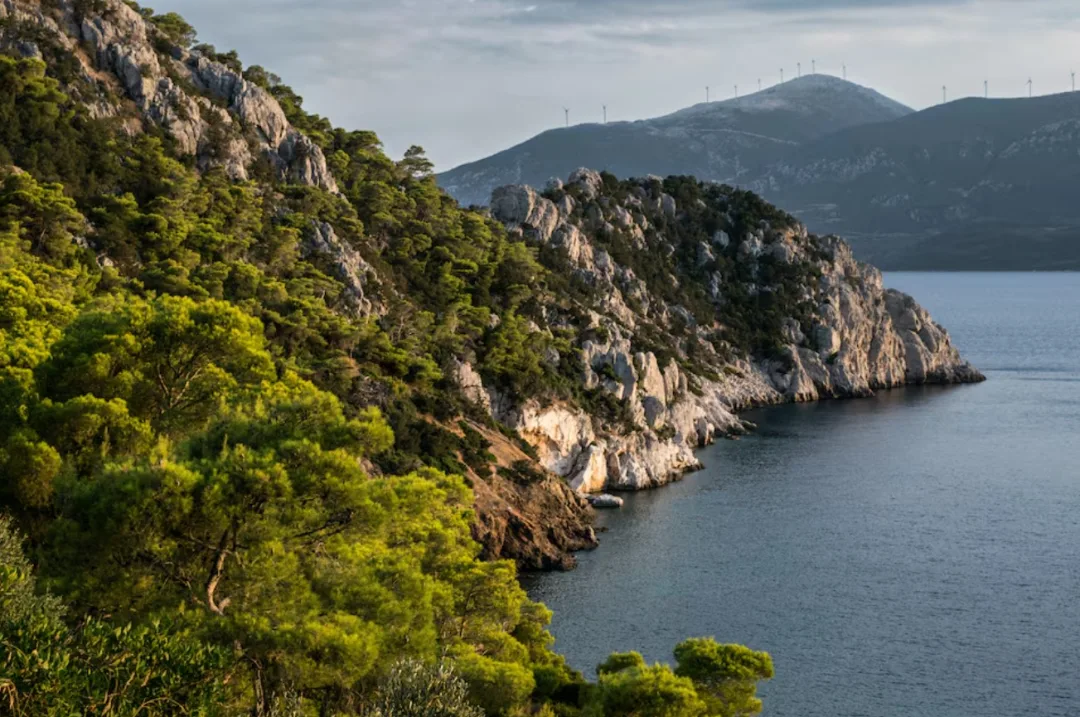
The Methana Volcano is located roughly 60 km (37 miles) southwest of Athens. Scientists reconstructed 700,000 years of activity for Methana, finding eruptions separated by long pauses.
Longest quiet period linked to magma accumulation
The research found Methana’s longest quiet period lasted from about 280,000 to 168,000 years ago. The scientists said this period was not a sign of extinction, but a phase of substantial underground magma accumulation.
Evidence drawn from rocks and minerals
ETH Zürich volcanologist Răzvan-Gabriel Popa, lead author of the study published in the journal Science Advances, said the quiescent period occurred during prehistory and is being reconstructed using chemical evidence preserved in rocks and minerals. Popa said understanding Methana requires viewing the volcano as “the tip of an iceberg,” with most of the igneous system underground.
How magma supply and subduction zones affect volcanoes
Earth is made up of layers, including the outer crust and the mantle underneath, where magma forms. Volcanoes erupt when rising magma floods underground chambers and spills excess material toward the surface, while an absence of magma supply causes them to fall quiet and gradually die.
Popa said the study found that in subduction zones volcanoes can go quiet even when the mantle produces a lot of magma, because the magma is “superhydrous,” and the volcano “doesn’t die, but it thrives, while taking a nap.”
Role of water-rich magma
Superhydrous magmas are extremely water-rich and are thought to drive the process described in the study. Popa said that as these magmas ascend through the crust, gas bubbling triggers crystallisation, making the magma sticky and viscous and slowing it down by a factor of 100 to 1,000, preventing it from continuing toward the surface.
Popa said the magma becomes trapped, and because the magma chamber cannot evacuate the excess material, no eruption happens and the reservoir accumulates crystalline, sticky magma that helps it grow.
How do you think long periods without eruptions should affect how nearby communities assess volcanic risk?