Nicosia, Cyprus. Morningstar DBRS said escalating conflict in the Middle East is expected to raise volatility in global shipping as operators suspend or reroute cargo following US and Israeli strikes on Iran and Iran’s blockade of the Strait of Hormuz.
Oil tanker flows most affected
Morningstar DBRS said oil tanker trade flows are the most affected after major oil companies and tanker operators halted shipments through the Strait of Hormuz following Iran’s blockade of the passage.
Nearly 200 tankers reported at a standstill
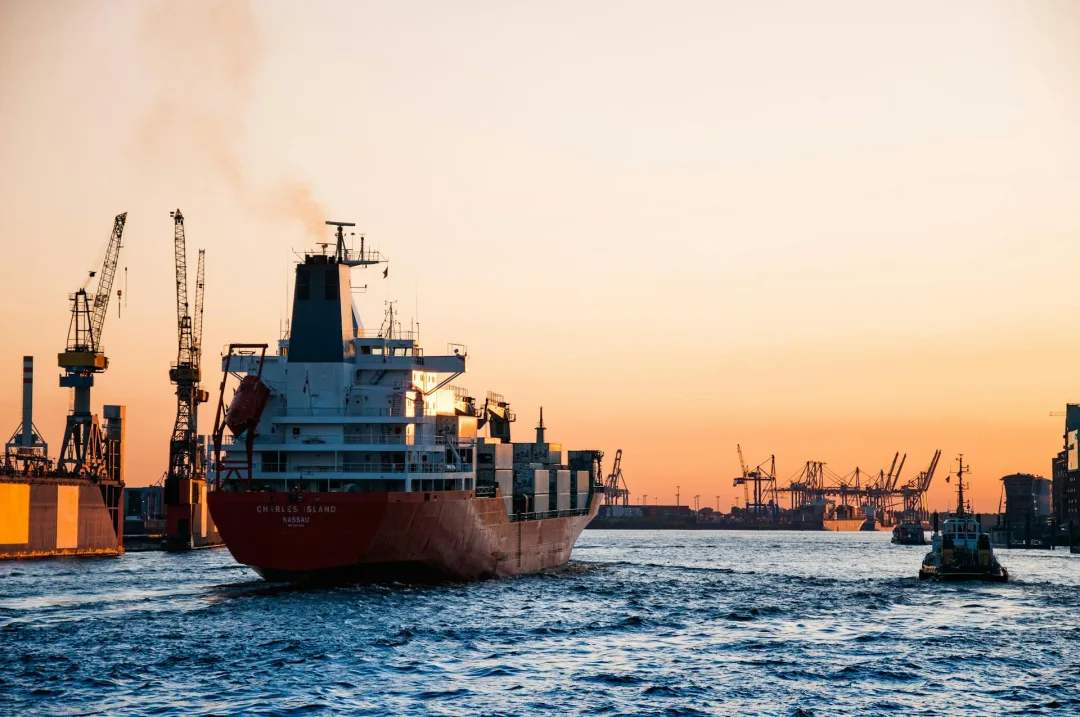
Nearly 200 tankers on international voyages are currently at a standstill in the Persian Gulf after an effective freeze in vessel movements through the Strait of Hormuz, according to Lloyd’s List Intelligence data. The vessels, which are not subject to sanctions, are reported to be anchored, tied up at loading terminals, or moving at reduced speed as shipowners and charterers await clearer signals on regional security conditions.
VLCC congestion and capacity impact
Congestion is most visible in the very large crude carrier segment, with around 60 VLCCs currently in the Persian Gulf, including 13 tied up at loading terminals, 33 anchored and 14 moving at slow speeds. Morningstar DBRS said these 60 VLCCs represent nearly 8 per cent of the global compliant VLCC fleet, highlighting the scale of disruption and potential effects on tanker capacity and freight rates.
Suezmax segment also under pressure
Pressure is also evident in the Suezmax segment, with 23 tankers remaining in the Gulf, including five at berths and the remainder either anchored or moving at reduced speed while awaiting operational decisions.
Broader supply chain uncertainty
The disruption adds uncertainty to the global oil supply chain, as the Strait of Hormuz remains a critical maritime chokepoint for crude exports. Analysts warned that a prolonged suspension of transits could lead to higher freight rates, cargo flow redistribution and additional geopolitical risks across energy markets.
Cyprus monitoring and flagged vessels
Cyprus’ Deputy Ministry of Shipping said authorities are closely monitoring the situation and that 19 ships under the Cypriot flag are operating in the Persian Gulf, adding that the vessels and their crews remain safe.
How could a prolonged disruption in the Strait of Hormuz affect global shipping costs and oil supply chains for you?