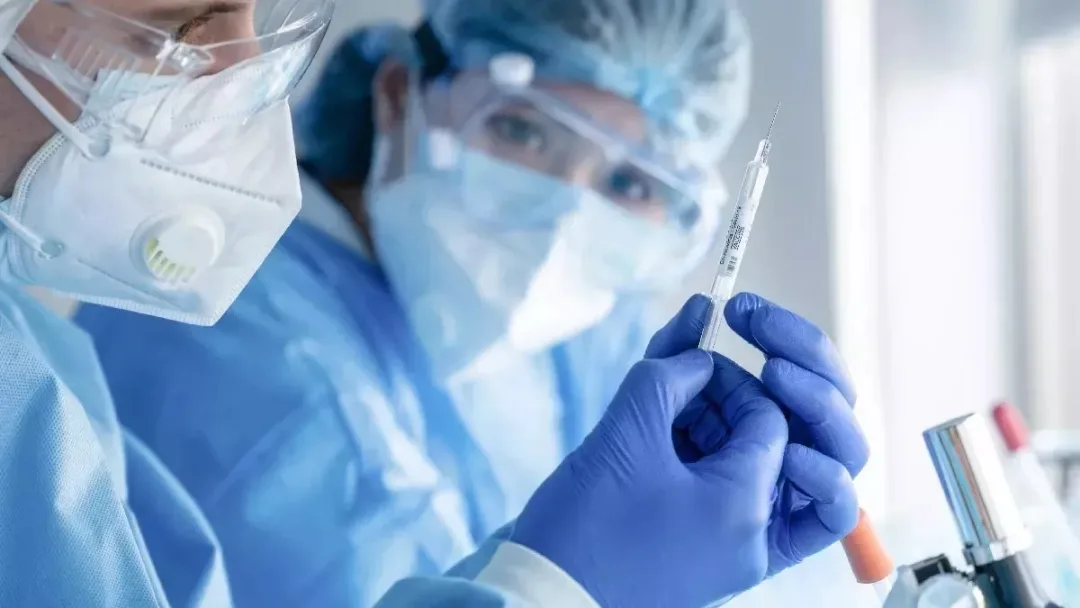
Nicosia, Cyprus. Moderna and Merck said their personalised mRNA cancer vaccine, used with the immunotherapy drug Keytruda, reduced the risk of melanoma recurrence or death by nearly 50% over five years. The companies said the benefit was maintained long-term in Phase 2 trials.
Five-year Phase 2 results
The vaccine, mRNA-4157/V940, was administered alongside Keytruda, and the companies described the five-year follow-up as a key benchmark in oncology.
Kyle Holen, senior vice president at Moderna, said the data “capture the potential of mRNA in treating cancer” and that Moderna will continue “to invest in our oncology platform thanks to such encouraging results.”
Broader use of pandemic-era infrastructure
The companies’ announcement comes as around 50 mRNA cancer vaccine studies are under way globally, with pharmaceutical firms using infrastructure developed during the COVID-19 pandemic to pursue vaccines designed to activate the immune system against specific cancer types.
Why melanoma is an early target
Melanoma, described as the most serious form of skin cancer, is viewed by experts as a suitable initial target because it has a high number of genetic mutations, which can provide more points for the immune system to recognise and attack.
Expert commentary on personalised mRNA approaches
Christos Petrou, a professor at the University of Nicosia’s Pharmacy Department, told Phileleftheros that the announcement updates the same study after five years of participant follow-up, following last year’s results.
“The extension of follow-up time shows that the clinical benefit appears maintained long-term and this is particularly important,” Petrou said. “Personalised therapies with mRNA-based neoantigens constitute one of the most interesting developments in immuno-oncology.”
Petrou said the combination with immunotherapy is central, noting that drugs such as Keytruda target the PD-1 protein, which tumours can use to “deactivate” immune cells and evade immune surveillance. He said the mRNA vaccine helps show the immune system what to recognise.
What do you think the longer follow-up results mean for the future development of personalised cancer vaccines?