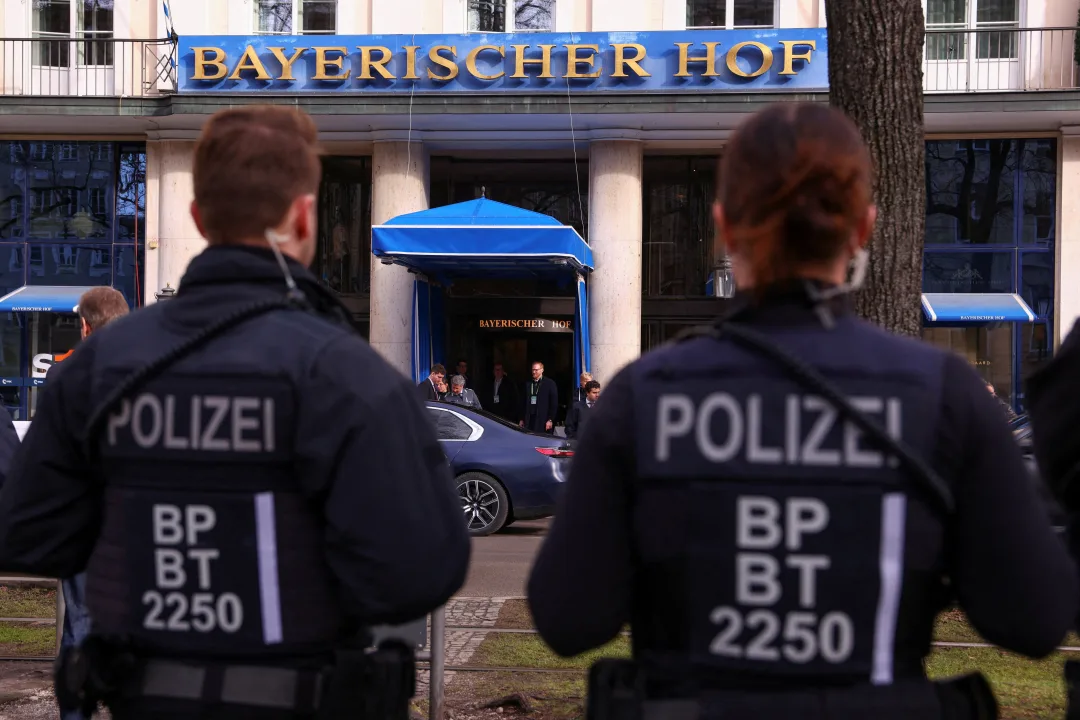
Munich, Germany. One year after U.S. Vice President JD Vance criticised European allies at the Munich Security Conference, Washington’s partners are seeking to chart a more independent course while preserving the basis of the alliance. This year’s meeting begins on Friday against a backdrop of wars in Ukraine, Gaza and Sudan.
Conference backdrop and warnings
Vance’s 2025 speech at the annual gathering of top security officials triggered a year of unprecedented transatlantic confrontation, with the United States seemingly set on dismantling much of the international order it helped to build.
“I cannot remember a time when we had more simultaneous wars, crises, and conflicts of that dimension,” Wolfgang Ischinger, the former German diplomat who heads the forum, told a gathering earlier this week.
Transatlantic ties and “wrecking-ball politics”
Transatlantic ties have long been central to the Munich Security Conference, which began as a Cold War forum for Western defence debate. But the assumption of transatlantic cooperation has been upended by what Ischinger called “wrecking-ball politics,” in which “sweeping destruction – rather than careful reforms and policy corrections – is the order of the day.”
Trump policies and alliance concerns
U.S. President Donald Trump has toppled Venezuela’s leader, threatened other Latin American countries with similar military action, imposed tariffs on friends and foes alike and talked openly about annexing Greenland, a move that could effectively end the NATO alliance.
Last year’s speech by Vance, accusing European leaders of censoring free speech and failing to control immigration, marked a key milestone in the deterioration of relations. The Trump administration’s harsh new tone, including a warning that Europe faces “civilisational erasure,” has shaken allies, which have pledged to increase military spending after decades of neglect.
Europe’s reliance on U.S. support
Europe’s dependence on U.S. military support is expected to take years to undo, leaving Europe vulnerable as the standoff with Russia over the Ukraine war persists.
How should European allies balance greater independence with maintaining the basis of the transatlantic alliance?