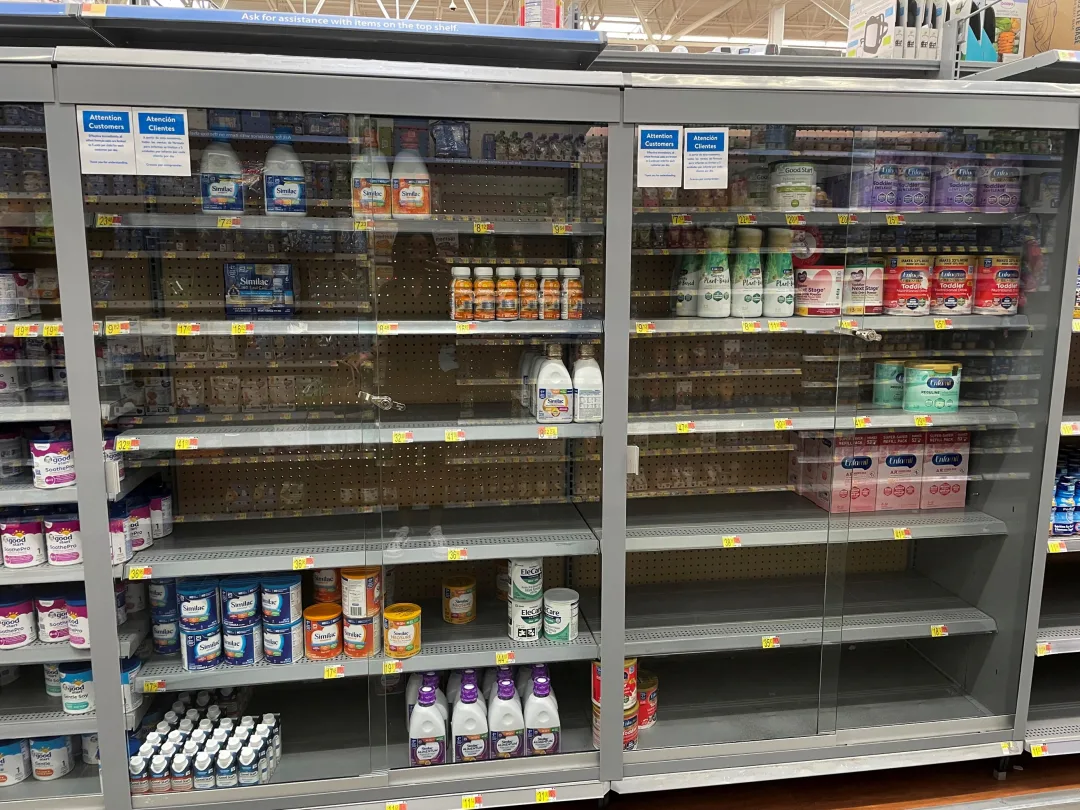
Paris, France. Nestle and Danone are facing renewed scrutiny over their handling of infant formula contamination after public media reports questioned the speed of recalls of potentially harmful products.
Media investigation and allegations
An investigation by Radio France, Belgium’s RTBF and Switzerland’s RTS said Nestle had delayed alerting European authorities about the presence of cereulide, a toxin that can cause vomiting and diarrhoea and poses particular risks for infants.
Source of contamination and impact
The toxin was detected in an ingredient supplied by China’s CABIO Biotech and used by several infant formula makers, including Nestle, Danone and Lactalis. The contamination triggered infant formula recalls in several countries and fuelled concerns among parents.
Nestle response
A Nestle spokesperson said the investigative reports contained “inaccurate and misleading information,” and said the company acted with full transparency and cooperated with authorities from “day one.”
The investigation quoted Nestle as saying it followed a strict process involving assessment, traceability checks and identification of affected products before public recalls were launched.
Danone response
Danone did not immediately reply to a request for comment.
Timeline described by Nestle
Nestle has previously said it first detected low cereulide levels in product samples in late November but stopped using all mixes containing the supplier’s arachidonic acid oil after contamination was confirmed on Dec. 24.
It notified the supplier on Dec. 29 and analysed samples until Jan. 3 to determine the issue’s scope, before launching public recalls from Jan. 5.
Reported production holds and notification concerns
Radio France said 838,000 cans of infant formula were held back from Dec. 26 at Nestle’s factory in northern France and other production sites.
It said products already on the market remained in distribution channels or consumers’ homes without an official recall or immediate notification to European authorities, despite rules requiring prompt reporting when a health risk is identified.
What steps should companies take to ensure authorities and consumers are promptly informed when a potential health risk is detected?