Nicosia, Cyprus. An international conference in Nicosia called for coordinated climate action grounded in science, innovation, and regional cooperation in the Eastern Mediterranean and Middle East. The event concluded with the adoption of the Nicosia Call for Action 2026.
Conference framework and organisers
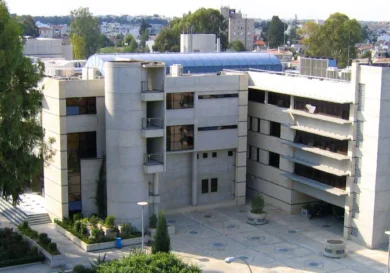
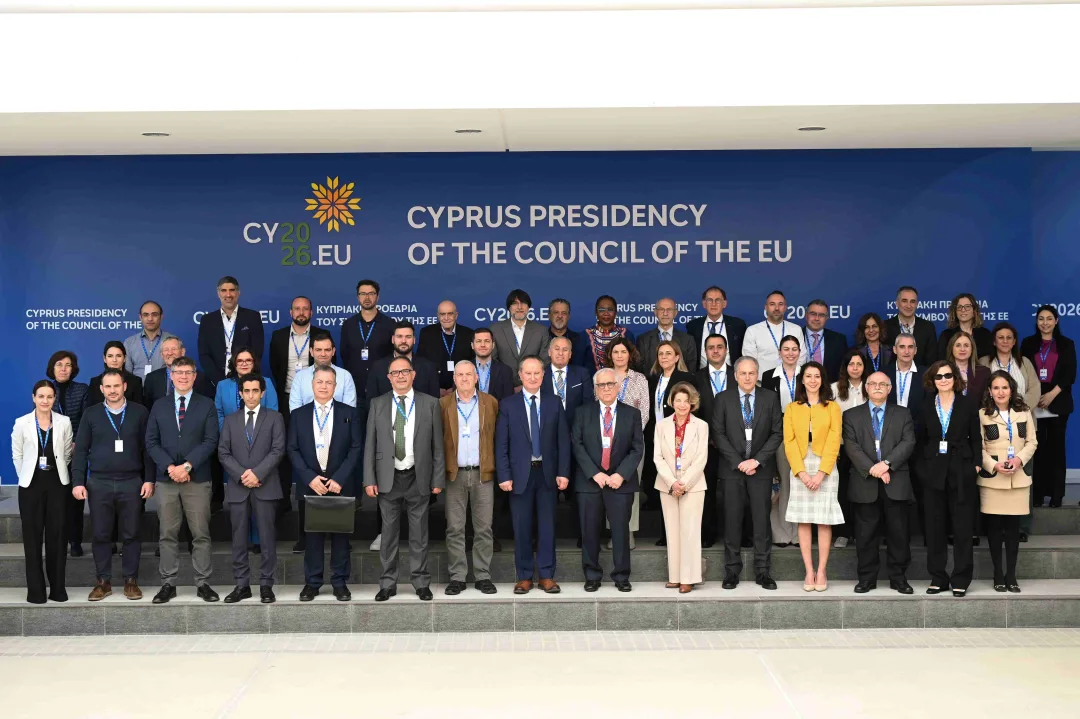
The international conference “Climate Action in the Eastern Mediterranean and Middle East Regional Cooperation Empowered by Science and Innovation” took place on April 8 and 9, 2026, at the Filoxenia Conference Centre. It was held within the framework of the Cyprus Presidency of the Council of the EU and was organised by the Cyprus Institute and the Deputy Ministry of Research, Innovation and Digital Policy.
Participation and focus
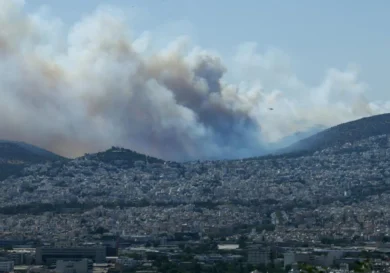
Representatives of governments, international organisations, policymakers, and scientists stressed the need for collective action in what was described as one of the world’s most climate-vulnerable regions. Participants from 18 countries contributed to the programme.
Key speakers and policy perspectives
The conference featured addresses by President Nikos Christodoulides, European Commissioner for the Mediterranean Dubravka Suica, Prince Hassan bin Talal of Jordan, Agriculture Minister Maria Panayiotou, and Deputy Minister Nikodemos Damianou. Energy Minister Michalis Damianou and European Commissioner for Fisheries and Oceans Costas Kadis outlined policy responses and strategic actions by their respective ministries and the European Union on the climate crisis.
Nicosia Call for Action 2026
A central outcome of the event was the adoption of the Nicosia Call for Action 2026, which sets out key priorities for regional cooperation, resilience, and sustainability. Participants said the Mediterranean’s position as a bridge between Europe, North Africa, and the Middle East makes balanced and inclusive cooperation essential for its future.
Interconnected challenges and resource use
Participants highlighted that climate change, environmental degradation, economic inequality, migration pressures, and security risks are interconnected challenges requiring coordinated, long-term responses. They also identified sustainable consumption patterns and responsible use of natural resources as critical components of an effective strategy.
What role should regional cooperation play in addressing interconnected climate and security challenges?