Washington, United States. Health officials are working to communicate quickly and clearly about hantavirus after an outbreak of the Andes strain on the MV Hondius cruise ship revived COVID-era fears online. Officials say the virus is not new and is unlikely to cause a pandemic, though knowledge gaps remain.
Outbreak sparks renewed anxiety
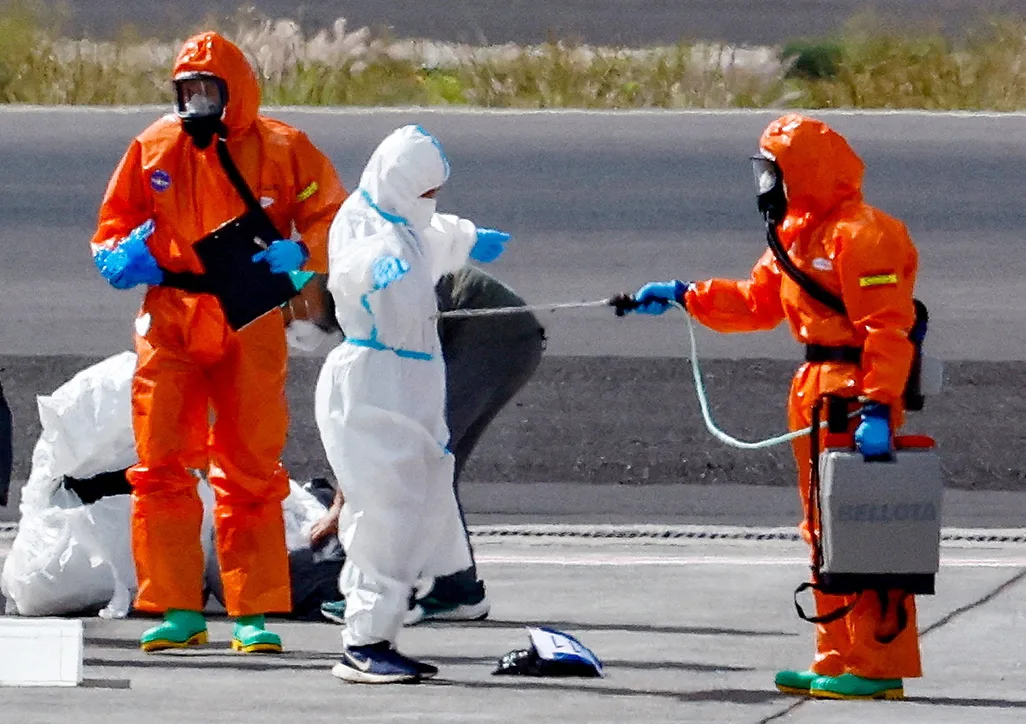
A rodent-borne virus, a cruise ship in quarantine in the Atlantic, and reports of deaths and additional illnesses have fueled online panic and revived COVID-era trauma, officials said.
Communication dilemma for health agencies
Health officials described a challenge in explaining a virus that is unlikely to cause a pandemic while acknowledging uncertainty and avoiding inadvertently increasing fear.
Illinois health department highlights approach
The Illinois state health department in the United States posted a social media thread about a risk-free case unrelated to the MV Hondius outbreak, urging readers to review the full information before sharing alarm.
Officials cite lessons from COVID-19
In interviews with Reuters, health officials said they aim to provide information with more empathy, address uncertainties, and counter falsehoods, drawing on lessons from COVID-19.
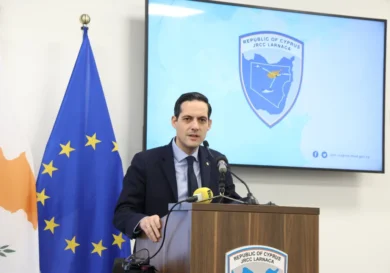
“We spend half of our time discussing how we will communicate,” said Gianfranco Spiteri, emergencies lead at the EU’s European Centre for Disease Prevention and Control.
Mistrust linked to COVID-era messaging
Officials pointed to COVID-era issues including delayed reactions, confusing and contradictory messaging, varied restrictions and vaccine rollouts globally, and the spread of misinformation and politicization, which they said contributed to mistrust in institutions.
One study found that faith in public health institutions declined in 20 of 27 EU countries between 2020 and 2022.
How do you evaluate the clarity of public health messaging about emerging outbreaks?