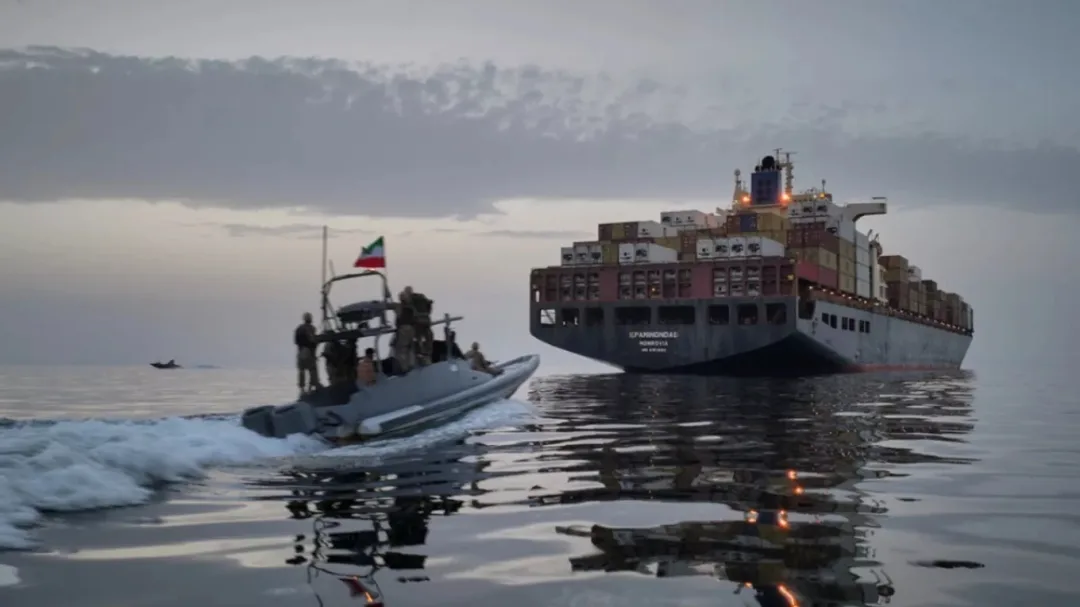
Washington, United States. Oil prices surged more than $4 a barrel on Monday after President Donald Trump rejected Iran’s response to a US peace proposal, dimming prospects for a breakthrough as the Strait of Hormuz remained largely closed.
Iran’s response and Trump’s rejection
Iran released its response on Sunday, focusing on ending the war across all fronts, including Lebanon, where US ally Israel is fighting Iran-backed Hezbollah, and attaching conditions. Tehran demanded compensation for war damage, emphasised its sovereignty over the Strait of Hormuz, called on Washington to end its naval blockade and guarantee no further attacks, and sought the lifting of sanctions and a ban on Iranian oil sales, according to Iranian state TV and the semi-official Tasnim news agency.
Within hours, Trump dismissed the proposal on Truth Social, writing: “I don’t like it — TOTALLY UNACCEPTABLE,” without elaborating.
Market reaction to geopolitical developments
“The oil market continues to trade like a geopolitical headline machine, with prices swinging sharply based on every comment, rejection, or warning coming from Washington and Tehran,” said Priyanka Sachdeva, senior market analyst at Phillip Nova.
Differences over sequencing in negotiations
The US had proposed ending the fighting before moving to more contentious issues, including Iran’s nuclear programme. Iran’s response ran counter to that sequencing.
Strait of Hormuz disruptions and shipping activity
The Strait of Hormuz, which carried one-fifth of global oil and liquefied natural gas flows before the war began on 28 February, remains largely shut. Shipping data from Kpler and LSEG showed three crude-laden tankers exited the waterway last week, with tracking devices switched off to avoid Iranian attack.
Regional flare-ups and ongoing clashes
Recent days have seen the heaviest flare-ups in and around the strait since a ceasefire took hold in early April. The United Arab Emirates said on Sunday it had intercepted two drones originating from Iran. Qatar condemned a drone strike on a cargo ship in its waters, and Kuwait said its air defences had dealt with hostile drones that entered its airspace.
Clashes between Israel and Hezbollah have also continued in southern Lebanon despite a US-brokered ceasefire announced on 16 April.
Diplomacy and allied positions
Trump is expected to arrive in Beijing on Wednesday, where Iran is among the topics he is scheduled to discuss with Chinese President Xi Jinping. Washington has been pressing Beijing to use its influence to push Tehran toward a deal.
NATO allies have refused calls to send ships to reopen the strait without a full peace agreement backed by an internationally mandated mission, leaving the US with little allied support for its position.
Domestic political impact
Surveys show the war is unpopular with US voters facing sharply higher fuel prices less than six months before nationwide elections that will determine whether Trump’s Republican Party retains control of Congress.
How closely are you following the impact of the Gulf conflict on fuel prices where you live?