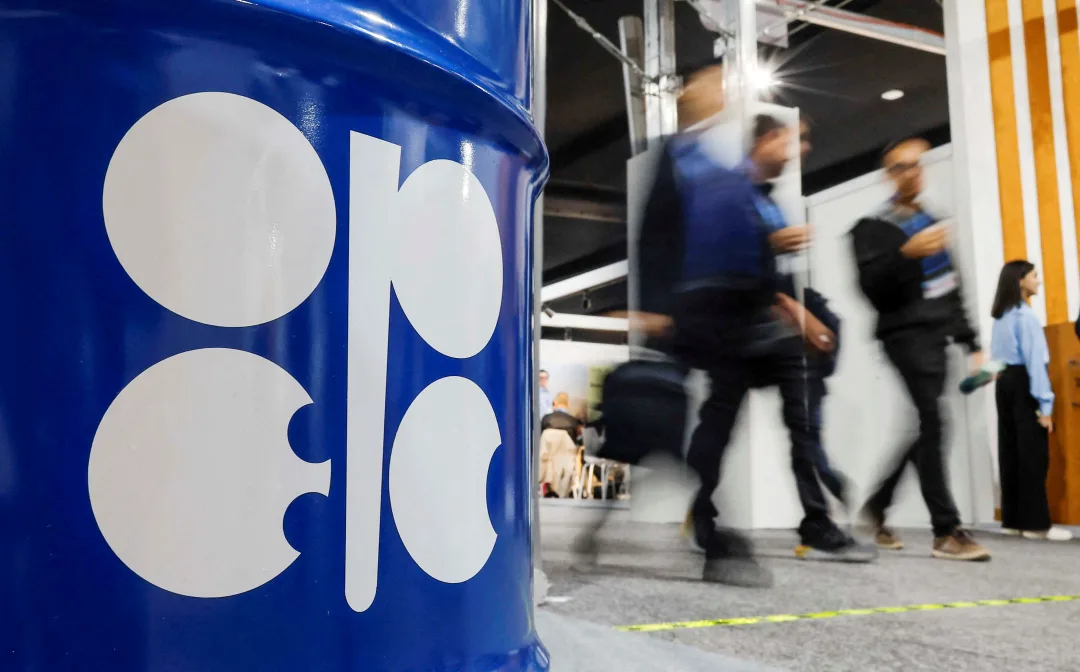
Vienna, Austria. OPEC+ agreed on Sunday to raise oil output targets for June by 188,000 barrels per day, though the increase is expected to have limited impact on actual supply while the Iran war disrupts Gulf exports through the Strait of Hormuz.
June increase and participating countries
Seven OPEC+ countries will raise oil output targets by 188,000 bpd in June, marking the third consecutive monthly increase, OPEC+ said in a statement after an online meeting. The increase matches the amount agreed for May minus the share of the United Arab Emirates, which left the group on May 1.
The seven members who met on Sunday were Saudi Arabia, Iraq, Kuwait, Algeria, Kazakhstan, Russia, and Oman.
Market signaling and UAE departure
OPEC+ sources and analysts said the move is intended to show the group is prepared to raise supplies once the war ends and to signal a business-as-usual approach despite the UAE’s departure.
Jorge Leon, an analyst at Rystad and former OPEC official, said OPEC+ was sending a “two-layer message” of continuity after the UAE’s exit and control despite limited physical impact. He said the Strait of Hormuz constraints mean the real effect on physical supply remains very limited.
Saudi Arabia quota and production
Under the agreement, top OPEC+ producer Saudi Arabia’s quota will rise to 10.291 million bpd in June, above its actual production. The kingdom reported production of 7.76 million bpd to OPEC in March.
Hormuz disruption and supply constraints
The Iran war began on February 28, and the resulting closure of the Strait of Hormuz has restricted exports from OPEC+ members Saudi Arabia, Iraq and Kuwait, as well as from the UAE. Before the conflict, these producers were the only countries in the group able to raise production.
How do you expect markets to respond to OPEC+ raising output targets while Hormuz remains closed?