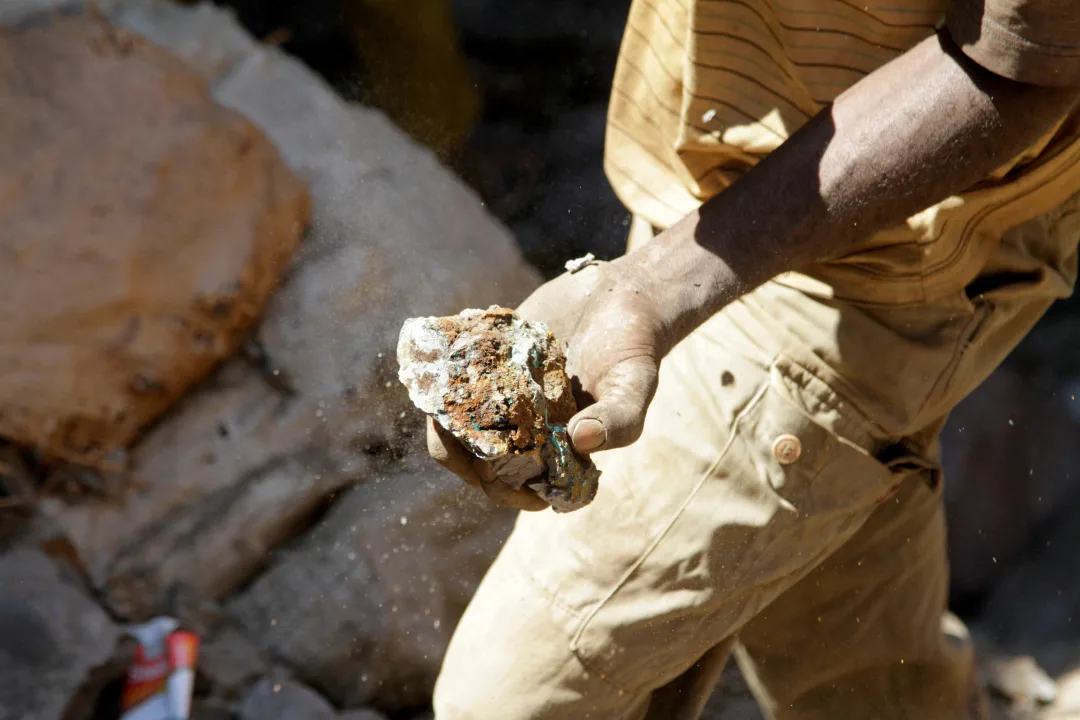
Washington, United States. The U.S. military has asked mining companies to help increase domestic supplies of 13 critical minerals used in semiconductors, weapons and other products, according to a document reviewed by Reuters.
Request to Defense Industrial Base Consortium
The Pentagon asked members of the Defense Industrial Base Consortium, a group of more than 1,500 companies, universities and other organizations that supply the military, to submit proposals by March 20. The projects could involve mining, processing or recycling selected minerals, the document showed.
The request was issued the day before the United States and Israel launched strikes on Iran, and was described as the latest example in recent weeks of Washington’s push for greater access to materials used widely in warfare. The document provided no indication of whether the timing was intended to coincide with the start of the strikes.
Minerals list and import reliance
The 13 minerals listed were arsenic, bismuth, gadolinium, germanium, graphite, hafnium, nickel, samarium, tungsten, vanadium, ytterbium, yttrium and zirconium.
The United States is reliant on imports for most of the 13 minerals, and China is a dominant global producer of all of them, the report said.
Funding range and project costs
The Pentagon requested detailed information on costs, including labor and material, needed to build a mine or processing facility. Projects could be awarded development funds ranging from $100 million to over $500 million, according to the request.
The document did not specify why only those 13 minerals were selected.
Export restrictions and industry concerns
Some of the minerals, including germanium, graphite and yttrium, have been subject to export restrictions by China, the top global producer.
The report said yttrium shortages have raised concerns across the aerospace industry. Yttrium, one of the 17 rare earths, is used in coatings that keep engines and turbines from melting at high temperatures, and engines cannot be used without regular application of these coatings.
Nickel is widely traded and Indonesia is the top global producer, but the report said Jakarta has been throttling exports of the metal used widely in stainless steel and battery production.
How might increased domestic production of these minerals affect U.S. supply chain reliance on imports?