Washington, United States. The Pentagon on Monday played down concerns that the U.S. attack on Iran could draw the United States into a new, open-ended Middle East conflict, while declining to provide a timeline and warning of additional casualties.
Escalation and stated objectives
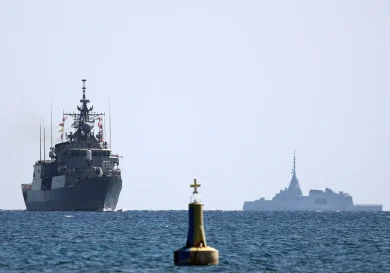
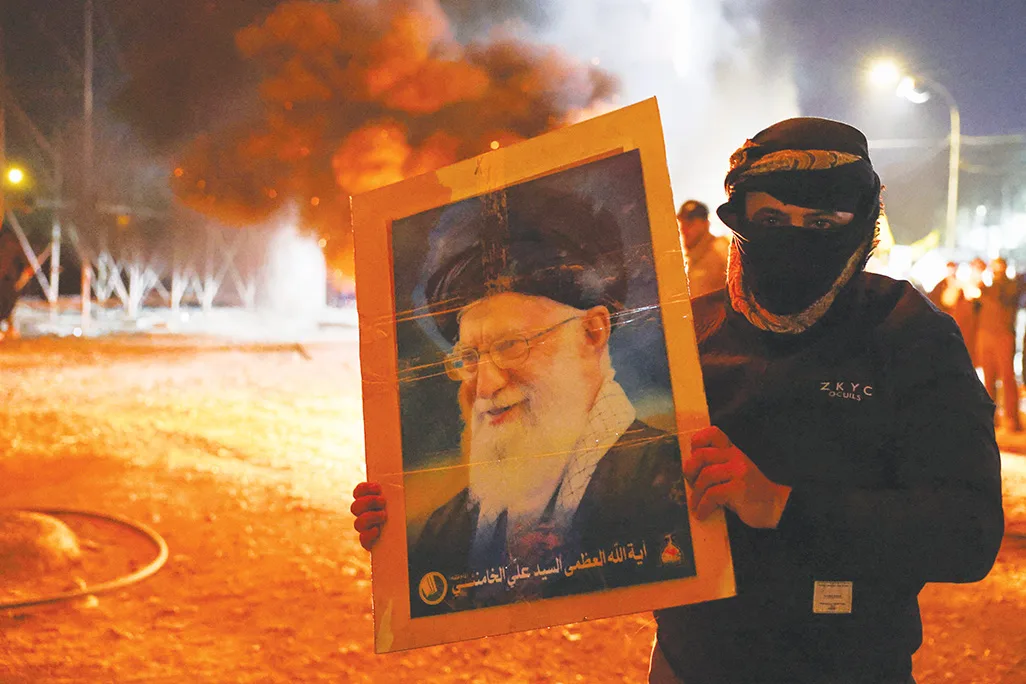
The United States and Israel launched their most ambitious attacks on Iran in decades on Saturday, killing Supreme Leader Ayatollah Ali Khamenei, sinking Iranian warships and hitting more than 1,000 targets so far.
In the first Pentagon briefing since the conflict began, U.S. General Dan Caine, chairman of the Joint Chiefs of Staff, said it would take time to achieve U.S. military objectives in Iran.
Defense Secretary Pete Hegseth described those objectives primarily in military terms, saying the Pentagon aimed to destroy Iran’s navy and expansive missile capabilities that could shield any covert attempts by Tehran to later build a nuclear weapon. Iran denies it wants nuclear weapons.
Hegseth rejected claims the operation would become an “endless” conflict, saying, “This is not Iraq. This is not endless.”
Timeline questions and expectations of further losses
Hegseth declined to provide a timeline for the campaign, saying President Donald Trump would not be pinned down, after Trump suggested on Sunday that strikes against Iran could continue for the next four weeks.
The U.S. and Israeli attacks prompted a large Iranian retaliatory response, though many drones and missiles were intercepted by U.S. forces and regional allies.
The U.S. military said a fourth U.S. service member died on Monday as a result of injuries in the Iran operations. Six U.S. service members were also injured on Monday when Kuwaiti air defenses mistakenly shot down their three F-15 fighter jets.
“We expect to take additional losses,” Caine said, adding that the United States would work to minimize losses but that “this is major combat operations.”
What do you think the United States should consider when assessing how long this campaign could last?