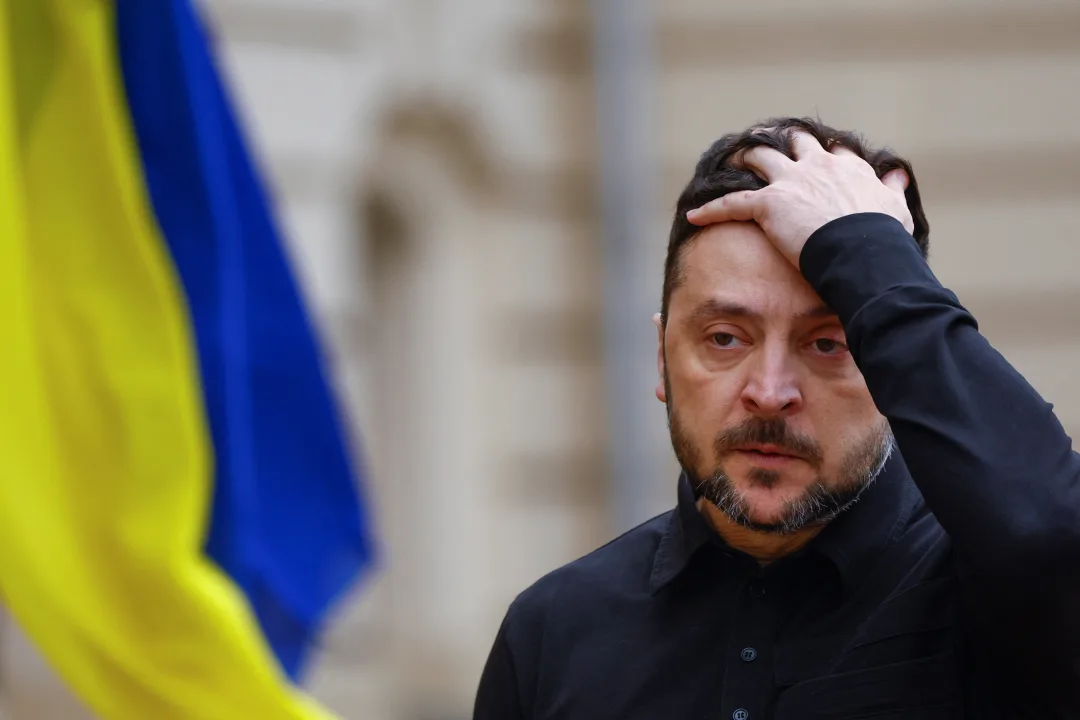
Warsaw, Poland. Poland’s president said on Friday he wanted a state body to discuss stripping Ukrainian President Volodymyr Zelenskiy of Poland’s top honour after Ukraine renamed an army unit after nationalist insurgents who massacred Poles during World War II.
Background to the dispute
Poland has strongly supported Kyiv during Russia’s war in Ukraine, and former President Andrzej Duda awarded Zelenskiy the Order of the White Eagle in 2023.
Zelenskiy has drawn criticism in Poland after signing a decree recognising a Ukrainian special forces unit’s contribution to the fight against Russian forces by naming it after the Ukrainian Insurgent Army, or UPA.
Some Ukrainians regard the UPA as heroes for their resistance to the Soviet Union and Nazi Germany and as symbols of Kyiv’s struggle for independence from Moscow.
Historical grievances
The UPA was also involved in the Volhynia massacres, a series of killings from 1943 to 1945 in which Poland says about 100,000 Poles were killed by Ukrainian nationalists. Thousands of Ukrainians also died in reprisal killings.
“Glorifying the UPA has provided Russian propaganda with ample oxygen for disinformation,” Nawrocki told reporters in Warsaw on Friday.
Presidential proposal
He said supporting Ukraine against Russia remained a strategic goal for Poland, but said the Chapter of the Order of the White Eagle, an advisory council overseeing Poland’s highest and oldest state decoration, would meet on June 8.
“I proposed that one of the items on the agenda be the revocation of President Zelenskiy’s Order of the White Eagle,” he said, adding that “certain mechanisms” such as a Chapter meeting were needed before he could make a final decision.
Nawrocki, a conservative nationalist inspired by U.S. President Donald Trump, has appealed to fatigue among some Poles over the large number of Ukrainians in the country and promised during his election campaign to put “Poles first”.
Foreign ministry response
Poland’s foreign ministry said on X on Friday that renaming the Ukrainian unit after the UPA “wounds the memory of the victims of that organisation and strikes at the dialogue between our nations.”