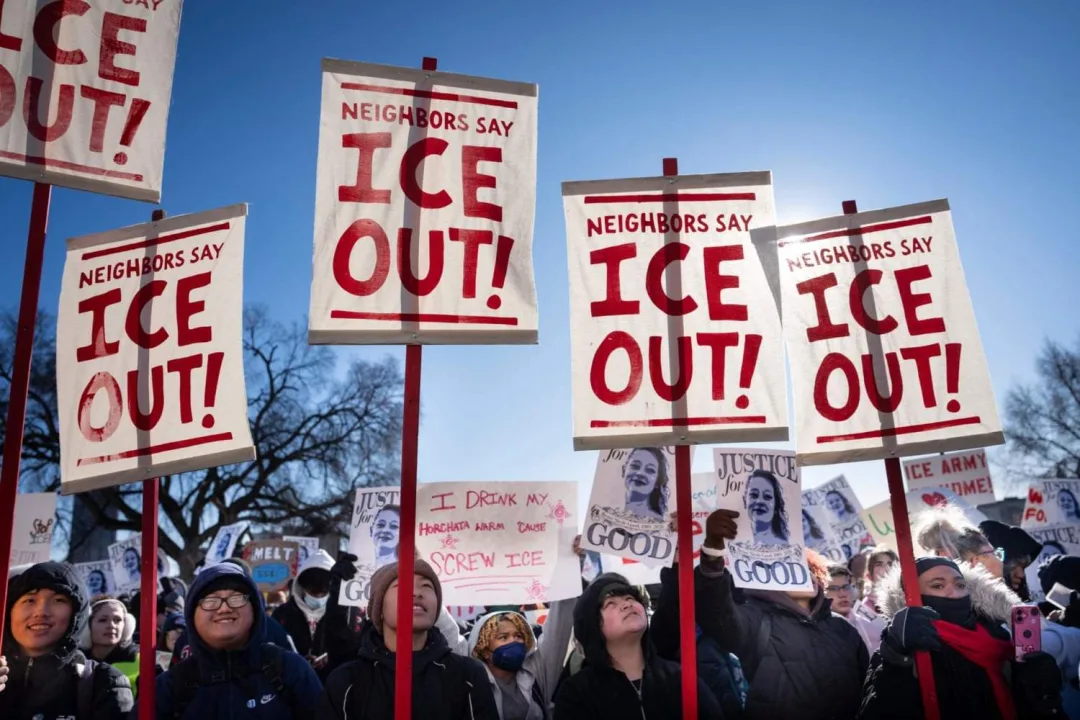
Washington, United States. Stephen Miller’s January 2026 comments to Immigration and Customs Enforcement officers and ICE’s use of facial recognition to monitor immigrants and protesters are described as stemming from changes in U.S. immigration enforcement after the Sept. 11, 2001, attacks.
Miller’s remarks and ICE monitoring
Miller told ICE officers they have “immunity to perform your duties” and that no “illegal alien, no leftist agitator or domestic insurrectionist” can stop them. The use of facial recognition software by ICE to monitor immigrants and protesters is described as raising privacy concerns.
Post-9/11 reorganization of enforcement
Immigration enforcement was reorganized and reframed after 9/11, including through the creation of Immigration and Customs Enforcement and the Department of Homeland Security. The expansion of immigration enforcement at the border and across the country is attributed to changes made 25 years earlier.
Creation of DHS and ICE
In November 2002, the Homeland Security Act created DHS, and ICE was established a few months later. ICE has described the move as part of “the single-largest government reorganization since the creation of the Department of Defense,” with immigration enforcement incorporated into a national security priority aimed at defending “homeland security.”
Pre-9/11 criminal framing of immigration
The view of immigrants as potential criminals existed before DHS was created. In 1996, President Bill Clinton signed the Illegal Immigration Reform and Immigration Responsibility Act, which expanded offenses that could lead to automatic deportation, including for legal residents, and limited judicial review of deportation cases, while framing people in the U.S. without legal status as lawbreaking criminals.
Shift toward counterterrorism
After 9/11, the link between immigration and law enforcement intensified and added a counterterrorism dimension. Immigration was no longer treated solely as a civil issue in which immigrants were deported if found through a civil court to have violated the law.
How should immigration enforcement balance national security priorities with civil liberties and privacy concerns?