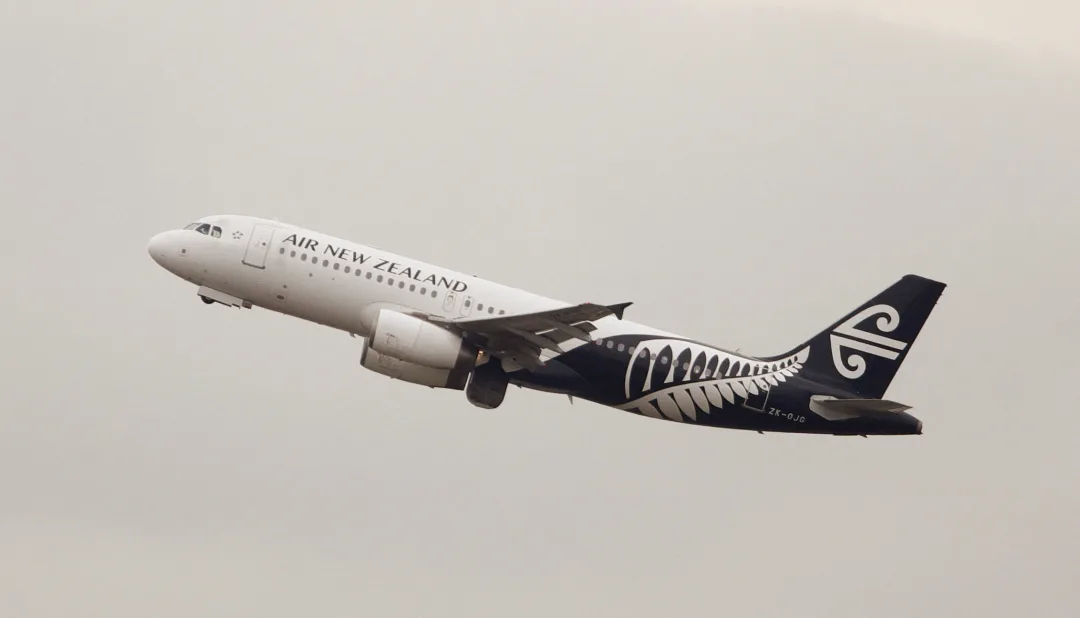
Wellington, New Zealand. Qantas Airways, SAS and Air New Zealand announced airfare increases on Tuesday, citing a sharp rise in fuel costs linked to the Middle East conflict that is affecting global aviation.
Air New Zealand said jet fuel prices have jumped to between $150 and $200 per barrel from around $85 to $90 before U.S.-Israeli strikes on Iran, and it suspended its financial outlook for 2026 due to uncertainty over the conflict.
Fuel costs rise and outlooks adjust
Air New Zealand said the abrupt spike in fuel prices followed U.S.-Israeli strikes on Iran and added that it was suspending its 2026 financial outlook because of uncertainty over the conflict.
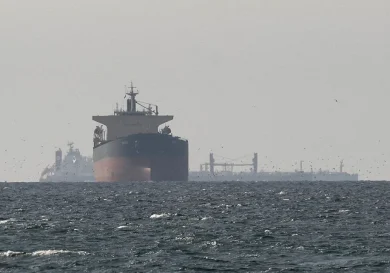
The war has disrupted a key oil-export corridor, raising airline costs, pushing fares higher on some routes and increasing concern about a broader impact on global travel.
SAS implements temporary price adjustment
SAS said it introduced a temporary price adjustment, with a spokesperson stating that increases of the current magnitude required a response to maintain stable and reliable operations.
The airline said it had previously temporarily adjusted its fuel hedging policy due to uncertain market conditions and currently has no fuel consumption hedged for the following 12 months.
Hedging strategies and supply concerns
Several Asian and European airlines, including Lufthansa and Ryanair, have oil hedging in place to secure part of their fuel supplies at fixed prices.
Finnair, which had hedged over 80% of its first-quarter fuel purchases, said a prolonged crisis could affect not only fuel prices but also fuel availability, though it added that this was not happening yet.
Kuwait, a major jet fuel exporter to north-west Europe, has faced output cuts.
Airspace disruptions near Dubai
Flight tracking service Flightradar24 said on X that planes arriving in Dubai were briefly placed in a holding pattern on Tuesday due to a potential missile attack, before eventually landing.
How could higher fuel costs and airspace disruptions affect your upcoming travel plans?